





UP Cabinet Approves ‘One District-One Dish’ Scheme, introduces new transfer policy, farmers to receive higher compensation for land under power poles

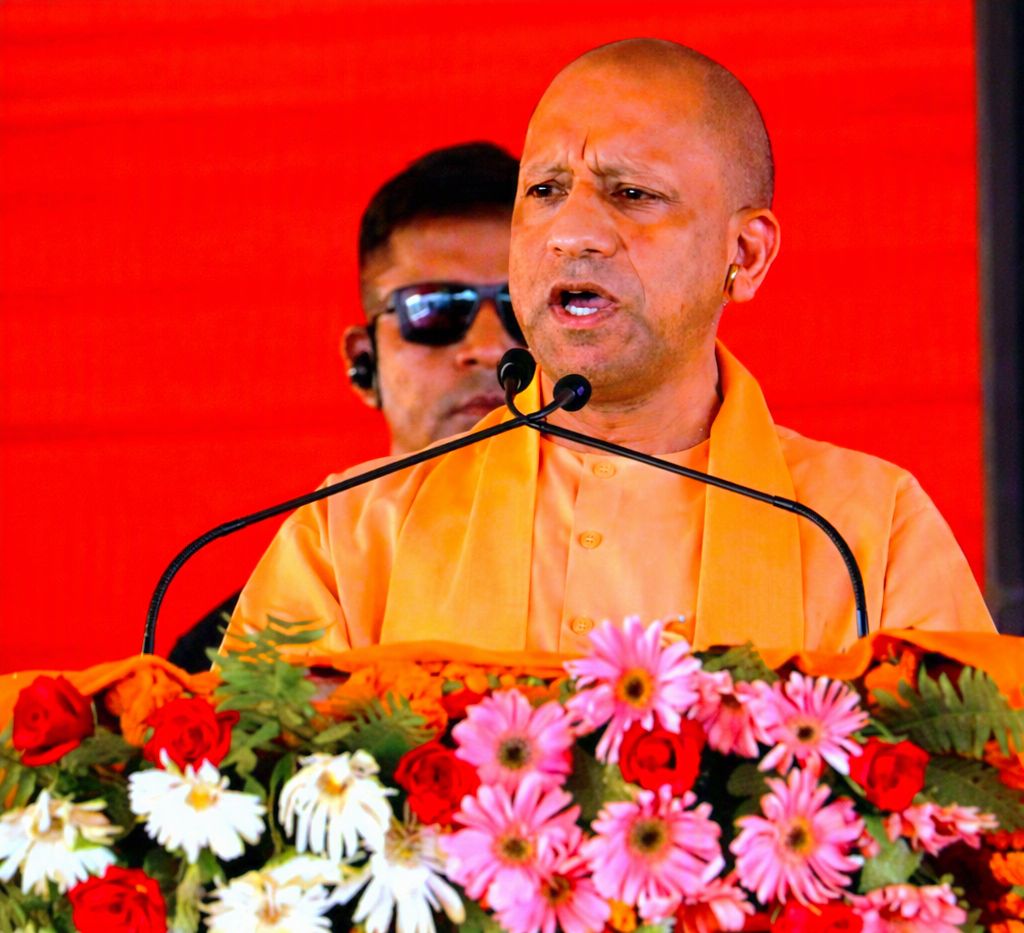
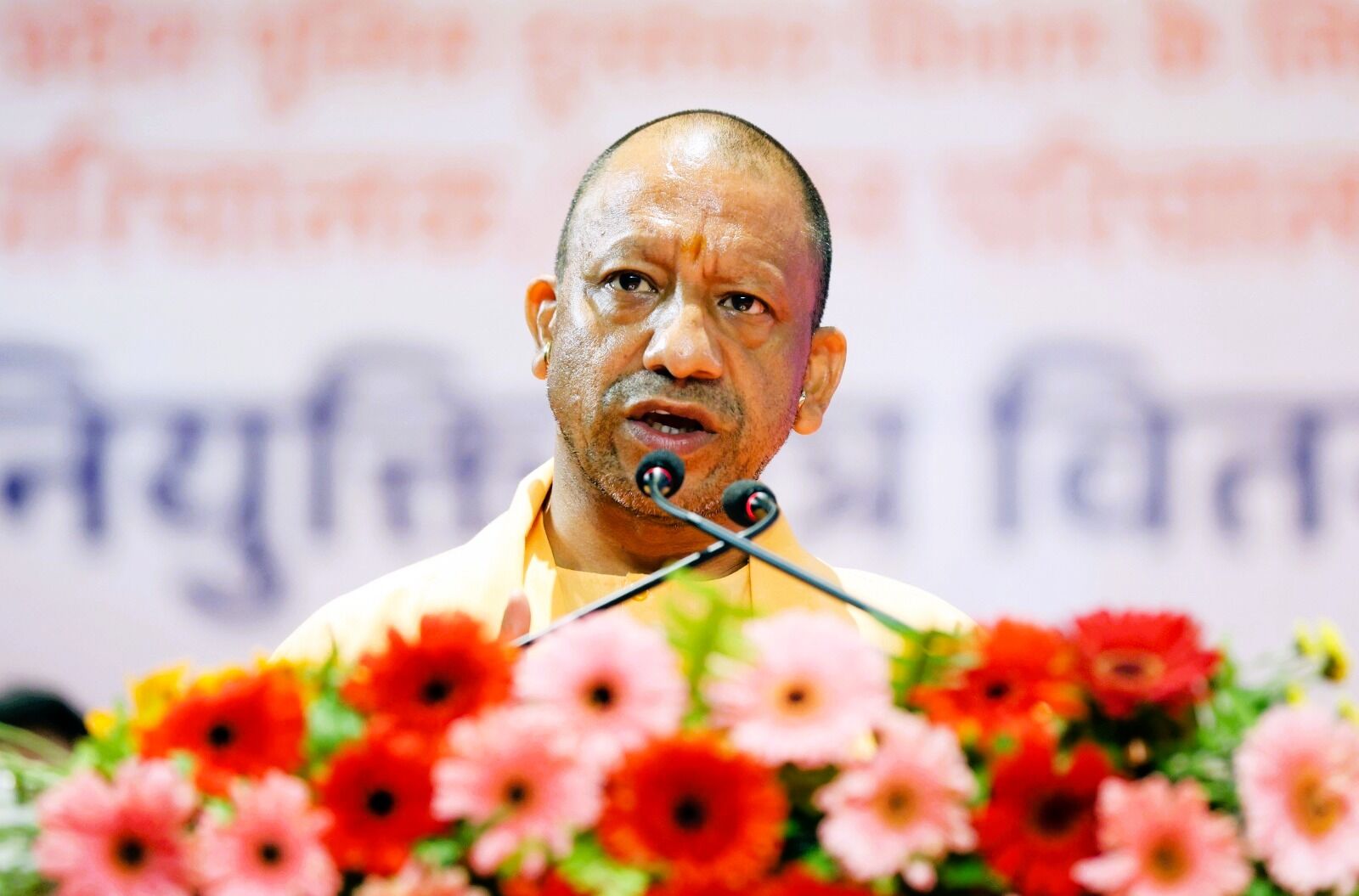
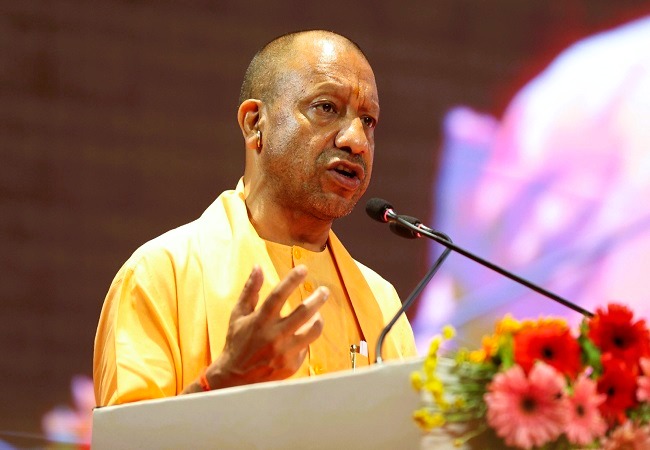
Lucknow, May 4: Several important proposals were approved on Monday in a cabinet meeting chaired by Chief Minister Yogi Adityanath. The decisions focused on boosting the local economy, providing relief to farmers, skill development for youth, and strengthening infrastructure. A significant decision was the ‘One District-One Dish’ (ODOD) scheme, which is being developed as the state’s new identity. The cabinet also approved a new transfer policy for government officials and employees.
‘One District-One Dish’: Every district’s taste will become a brand
The MSME Minister Rakesh Sachan stated that the government has approved the ‘One District-One Dish’ scheme, modeled after the ‘One District-One Product’ initiative. Under this, traditional dishes from each district will be identified and their branding, packaging, and marketing will be promoted. The scheme will focus specifically on improving quality, extending shelf life, and developing export opportunities. Artisans and entrepreneurs involved in the food business will be provided with a subsidy of up to 25 percent (maximum 20 lakh rupees). A budget of 150 crore rupees has been set aside for this. This is considered a major step towards gaining global recognition for dishes like Agra’s Petha, Mathura’s Peda, and Jaunpur’s Imarti.
Transfer Policy 2026-27: Transfers to be made by May 31st
The Cabinet meeting approved the new Transfer Policy 2026-27 for officers and employees. Under this policy, all transfers will be made by May 31st, 2026. Under the policy, transfers will be mandatory for Group A and B officers who have completed three years in a district or seven years in a division. However, their tenure as head of department or divisional office will not be included in this policy. The maximum tenure of posting in a divisional office will be three years. Transfers of Group A and B officers will be limited to a maximum of 20 percent of the total number of officers working in each cadre, and transfers of Group C and D personnel will be limited to a maximum of 10 percent of the total number of personnel working in each cadre. Transfers of Group B and C will be done through a merit-based online system as far as possible, and the rules for change of desk and area in Group C will be strictly followed. Provisions have also been included such as convenient postings for parents of disabled children, priority posting in aspirational districts, and mandatory approval of the Chief Minister through the Minister for transfers of Group A and B officers after the transfer session.
Strictness in PWD: No compromise on quality
To improve the quality of work in the Public Works Department (PWD) and curb unhealthy competition, the Cabinet has approved a new tender process. Under this, the SBD system will be implemented for projects costing more than Rs. 5 crore, and the T-1 and T-2 systems for projects costing less than Rs. 5 crore. Additional performance security has been mandated for bidders who bid at lower rates. Before selecting contractors with rates lower than 15%, the quality of their ongoing and completed works will be examined. Additional security will also be required from contractors who bid at rates lower than 15%, but who have no ongoing work in the state or have not completed any work in the last two years. This system will increase transparency and ensure effective control over contractors who compromise on quality.
Textile parks will accelerate industrial development
Under the Sant Kabir Textile and Apparel Park Scheme, 10 textile parks are to be developed in the state. Land from defunct spinning mills will be utilized for this purpose. The Cabinet approved the free transfer of 251.8 acres of land of four spinning mills in favour of the Handloom and Textile Industries Department. This will create employment on a large scale and boost industrial activities.
Road project worth Rs 546 crore in Lucknow
A project worth ₹ 546.51 crore has been approved for construction of six lanes from Raitha Underpass of Outer Ring Road to PM Mitra Textile Park in the capital Lucknow and widening and strengthening of the Raitha Underpass road from IIM to two lanes. This will improve the connectivity of the textile park, promote industrial development and transportation and reduce logistics costs.
Other important decisions taken by the Cabinet include a 350 million tree plantation campaign (with a budget of 147 crore rupees), the deployment of one OTD Fellow (Economic Development) and one OTD Fellow (Data Analysis) in each district under the One Trillion Dollar CM Fellowship Program, the promulgation of the Uttar Pradesh Private University Act 2019 to approve new private universities, the approval of the establishment of the private Amardeep University in Firozabad, and the extension of the tenure of High Court Research Associates from two to a maximum of three years.
Compensation doubled under towers, farmers to benefit more
The Yogi government has made significant changes to the compensation system, providing significant relief to farmers affected by high-tension power lines (765, 400, 220, and 132 kV). Farmers will now receive 200 percent compensation, or double the land value, for land under towers. Additionally, 30 percent compensation will be provided for fields over which power lines pass (right of way/corridor). This decision by the Yogi Cabinet is expected to provide farmers with a 21% to 33% increase in overall benefits.
Energy Minister AK Sharma stated that prior to 2018, land located directly beneath towers or within line corridors often received no compensation. In 2018, some improvements were made, providing compensation of approximately 85 percent of the land value below the tower base. However, there was still no provision for land located directly beneath the line (corridor). This caused dissatisfaction among farmers and hindered project completion. The new system now mandates 200 percent (double) compensation for land located directly beneath towers (pillars). A 30 percent compensation is provided for the area located directly beneath the line (ROI corridor). Compensation will be awarded based on the circle rate determined by the District Magistrate.
Tags:

Related Post