





Yogi govt’s big ‘Humanitarian’ move: Enhanced aid for natural disaster victims

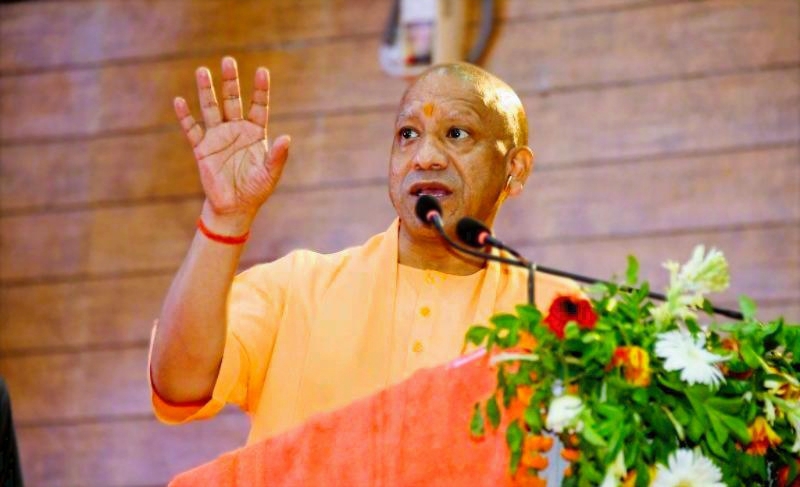
Lucknow, November 6: In a major relief measure for disaster-affected families, the Yogi Adityanath-led Uttar Pradesh government has revised compensation norms under the SDRF and NDRF, doubling financial assistance for families of those who lose their lives in natural disasters from ₹4 lakh to ₹8 lakh, while also increasing aid for crop damage, livestock loss, and house damage; the revised standards will remain effective from 2026-27 to 2030-31, with the government aiming to provide faster financial support and help affected families rebuild their livelihoods. of those who die in a natural disaster has been doubled.
Previously, the amount provided was four lakh rupees, but now it has been increased to eight lakh rupees. Similarly, the assistance amount for the death of large animals such as cows, buffaloes, horses, or camels has been increased from 40,000 to 50,000 rupees. For smaller animals such as goats, sheep, and pigs, the amount has been increased from four thousand to 5,500 rupees. Furthermore, poultry farmers have received relief by increasing the per-chicken assistance amount from 100 to 130 rupees. The assistance amount for damage to draft animals has been increased from ₹20,000 to ₹25,400.
The Yogi government has also increased the amount of assistance to farmers for crop loss due to natural disasters. The assistance amount for crop loss in irrigated areas has been increased from ₹17,000 per hectare to ₹22,000. Similarly, the assistance amount for crop loss in rain-fed areas has been increased from ₹8,500 to ₹11,000 per hectare. The assistance amount for damage to horticulture and agroforestry crops has been increased from ₹22,500 to ₹30,000 per hectare. Assistance for sericulture crops has been increased from ₹6,000 to ₹7,800 per hectare, and for sugarcane crops from ₹7,500 to ₹9,800 per hectare. Furthermore, the standards for compensation for damage to agricultural land due to disasters such as erosion and landslides have also been increased.
In a statement issued on Friday, the Relief Commissioner stated that between April 1st and November 26th, approximately 5.214 million hectares of crops belonging to 1.02 million farmers in the state were damaged. Assistance is being provided to farmers according to established standards. In order to ensure timely compensation for disaster-affected farmers, damage reports have been requested from districts.
According to the relief commissioner, All district magistrates have been instructed to provide details of losses incurred between April 1 and November 4. New standards have also been set for compensation for damage to houses and public institutions caused by natural disasters. A provision of ₹1.85 lakh has been established for completely damaged pucca houses in the plains and ₹2.06 lakh in hilly areas. A provision of ₹93,000 for partial damage to pucca houses in the plains and ₹1.03 lakh in hilly areas will be provided. A provision of ₹15.50 lakh has been established for completely damaged primary schools. Meanwhile, assistance of up to ₹2.6 million has been provided to compensate for damage to secondary schools, hostels, industrial training institutes, and polytechnic institutes. Separate standards have also been set for the reconstruction of health centers and other public facilities.
To provide immediate relief to disaster-affected people, the Yogi government has also set standards for the facilities available in relief camps. Under normal circumstances, affected families will receive assistance for food, clothing, temporary housing, and other essential amenities for 30 days. In special circumstances, this period can be extended to 60 days or as needed. For emergency drinking water arrangements, assistance is provided for 30 days under normal circumstances and for 90 days during drought. Damage to industrial and commercial establishments due to fire, explosion, or accident is excluded from this assistance.
The Yogi government has also emphasized ensuring transparency in the delivery of assistance to disaster-affected families and farmers. The assistance received by individual beneficiaries will be transferred directly to their bank accounts through DBT. To this end, arrangements have been made to make the list of beneficiaries and eligibility criteria public, so that transparency is maintained in the distribution of aid and the actual affected can benefit.
Tags:

Related Post