




Navi Mumbai leads India’s clean city rankings, Surat 2nd, Vijayawada 3rd, Lucknow ranks 3rd in million-plus city category

New Delhi, November 11: Navi Mumbai in Maharashtra has secured the first position in the Super Clean League in the Swachh Survekshan Awards 2025-26 while Surat in Gujarat came second and Vijayawada in Andhra Pradesh came third.
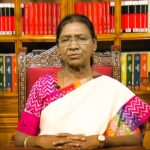
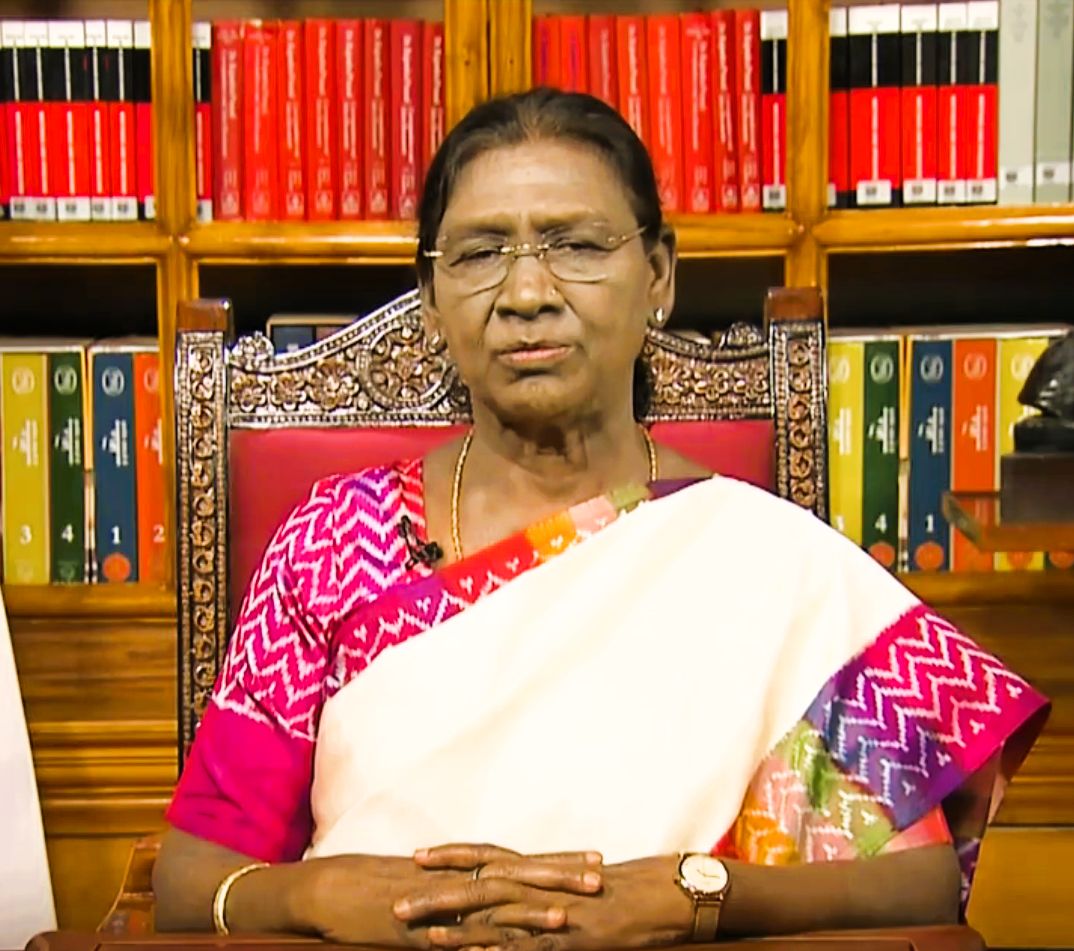
President Droupadi Murmu felicitated the winning cities and municipal bodies in various categories at a function held here on Wednesday. This year, awards were given in various categories including Clean City Jodi, five population categories, riverine, coastal and Himalayan cities, and the best clean cities of the states.
The pair of Ahmedabad and Sanand in Gujarat secured the first position in the Clean City Jodi Award. The pair of Indore and Depalpur in Madhya Pradesh came second, and the pair of Tirupati and Kuppam in Andhra Pradesh came third. Under this category, the leading cities and their associated cities, which have performed well in the field of cleanliness, were honored to share efforts and share experiences.
Navi Mumbai, Surat, and Vijayawada ranked first, second, and third respectively in the Super Swachh League. This category is for cities that consistently perform well in the field of cleanliness.
Cities were also honored in five categories based on population. Among cities with a population of more than 1 million, Visakhapatnam Municipal Corporation of Andhra Pradesh ranked first, Jabalpur of Madhya Pradesh second, and Lucknow, the capital of Uttar Pradesh, third. Among cities with a population of 300,000 to 1 million, Ujjain of Madhya Pradesh ranked first, Chandigarh second, and Guntur of Andhra Pradesh third.
Among cities with a population of 50,000 to 300,000, Dewas of Madhya Pradesh ranked first, New Delhi Municipal Council (NDMC) second, and Sagar of Madhya Pradesh third. Among cities with a population of 20,000 to 50,000, Vita of Maharashtra ranked first, Aska of Odisha second, and Panaji of Goa third. In cities with population less than 20 thousand, Bilha of Chhattisgarh stood first, Panchgani of Maharashtra second and Budhni of Madhya Pradesh third.
In the award for riverside cities in special geographical categories, Rewa of Madhya Pradesh got first, Bilaspur of Chhattisgarh second and Varanasi of Uttar Pradesh third. In the coastal cities category, Puri of Odisha stood first, Alappuzha of Kerala second and Ratnagiri of Maharashtra third. In the Himalayan cities category, Rudrapur of Uttarakhand stood first, Jammu of Jammu & Kashmir second and Shopian third.
The best performing cities from states and union territories were also awarded the ‘State First Clean City’ award at the event. In this category, Rajamahendravaram from Andhra Pradesh, Jairampur from Arunachal Pradesh, Guwahati from Assam, Patna from Bihar, Raipur from Chhattisgarh, Sanquelim from Goa, Vapi from Gujarat, Karnal from Haryana, Theog from Himachal Pradesh, Jamshedpur from Jharkhand, Mysore from Karnataka, Mattannur from Kerala, Gwalior from Madhya Pradesh, Pimpri-Chinchwad from Maharashtra, Jiribam from Manipur, Williamnagar from Meghalaya, Aizawl from Mizoram, Longleng from Nagaland, Bhubaneswar from Odisha, Anandpur Sahib from Punjab, Jaipur from Rajasthan, Mangan from Sikkim, Theni Alinagaram from Tamil Nadu, Greater Hyderabad from Telangana, Khowai from Tripura, Ghaziabad from Uttar Pradesh, Kashipur from Uttarakhand and Tarakeswar from West Bengal received the award.
Among the Union Territories, Sri Vijayapuram in the Andaman and Nicobar Islands and Batgam in Jammu and Kashmir were honored in this category. In the first phase of the ceremony, the President presented awards to 63 cities and municipal bodies in various categories.
On this occasion, President Murmu stated that cleanliness is not just a matter of cleaning public places, but is directly related to the health of citizens, social sensitivity, and administrative accountability. She emphasized that cleanliness goals cannot be achieved by the efforts of a single organization. The participation of every citizen, household, community, and city is essential. She urged special attention to the proper disposal of plastic waste, noting that carelessly discarded plastic can cause premature deaths of animals.
The President urged citizens to share their city’s sanitation deficiencies and experiences with the municipal administration. She emphasized that citizen feedback should not be limited to surveys or rankings, but should be used to improve municipal services and address local problems. Describing the Swachh Shahar Jodi initiative as an effort to foster cooperation rather than competition, he said that cities leading in cleanliness should help other cities progress.
Congratulating all the award winners, sanitation workers, municipal bodies, and citizens who contributed to the Swachh Bharat Mission, the President stated that the next phase of the Swachh Bharat Abhiyan requires transforming achievements into scientifically proven results.
She also emphasized the need to enhance the capacities of small and medium-sized cities and encourage research, innovation, and youth entrepreneurship in the field of sanitation.
Union Housing and Urban Affairs Minister Manohar Lal said that cleanliness is not just a campaign but has become a part of the country’s culture and traditions. Prime Minister Narendra Modi transformed cleanliness into a national mass movement in 2014. He said that under the Swachh Bharat Mission, urban waste processing has increased from 16 percent in 2014 to 80 percent now. Door-to-door waste collection has increased from 44 percent to over 96 percent. Disposal of old waste dumps has made approximately 11,000 acres of urban land available for reuse.
The Minister stated that the Swachh Survekshan, which began with 73 cities in 2016, has now expanded to 4,751 cities. This year, nearly 30 million citizens participated in the survey. He added that under the Swachh City Pair initiative, 70 mentor cities from 33 states and union territories were connected with 191 partner cities. This initiative conducted over 1,600 mentoring activities, over 11,000 joint field visits, and over 800 collaborative activities.
Manohar Lal said that smaller cities should also receive opportunities for competition and encouragement to make cleanliness a permanent public practice. He stated that 148 bio-CBG plants are in various stages of development to transform waste into wealth in the sanitation sector. The Pragati-50 initiative, launched in September, aims to develop 50 cities as model cities.
According to the Ministry of Housing and Urban Affairs, the tenth edition of the Swachh Survekshan evaluated cities through a comprehensive process. It included data from municipal bodies, evaluation of documents, independent field verification, and citizen feedback. More than 3,000 evaluators inspected residential areas, markets, public spaces, and sanitation facilities. This year, the survey’s theme was “New Initiatives for Cleanliness, Extend Your Hands for Cleanliness Together.”
Tags:

Related Post