






India rolls out ‘red carpet’ for Nepal PM Balendra Shah on maiden bilateral trip abroad

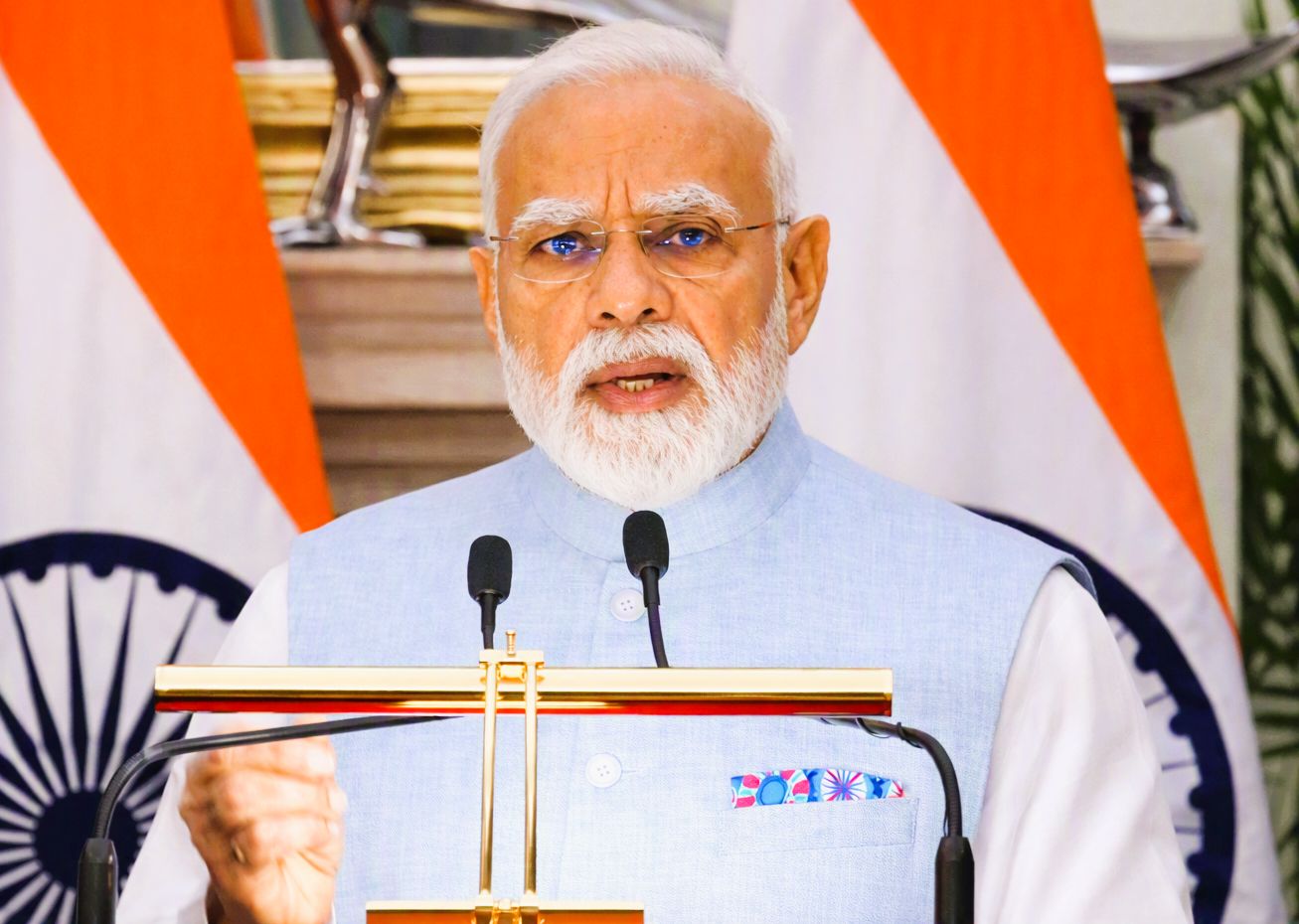
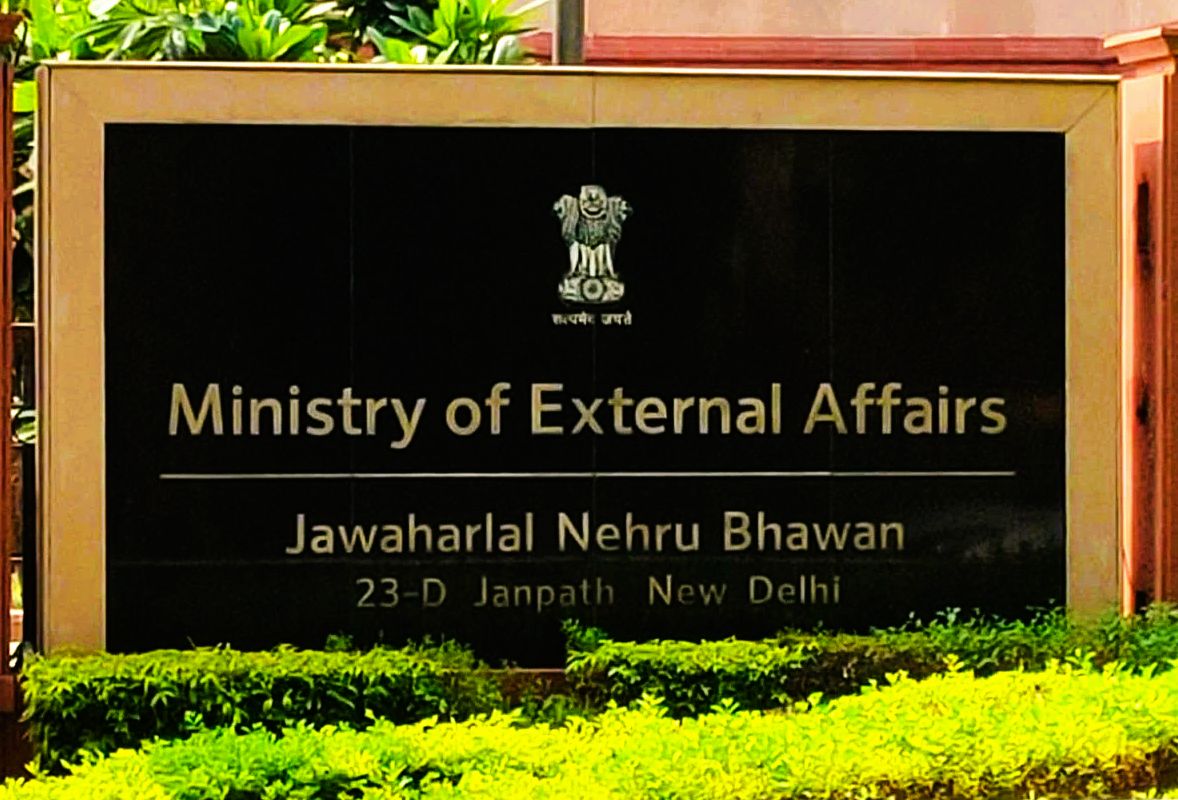
Kathmandu: Nepal’s Prime Minister Balendra Shah arrived in New Delhi on Sunday for a two-day visit to India. Upon his arrival, he was received by Jitin Prasada, Union Minister of State for Commerce and Industry and Electronics and Information Technology. This is Shah’s first bilateral foreign visit as Prime Minister. During this visit, he will hold bilateral talks with Prime Minister Narendra Modi.
Prime Minister Modi had invited Shah to visit India after the formation of the new government in Nepal, which the Nepali side accepted. The two leaders have already exchanged telephone conversations and messages through social media. This visit will mark the first face-to-face meeting between the two leaders.
During the visit, the two Prime Ministers are expected to virtually inaugurate several projects and lay the foundation stone for some new projects. The signing and exchange of several visionary bilateral documents related to cooperation in various fields is also proposed. The talks between the two leaders are expected to provide a new direction to the India-Nepal partnership in the coming years. Development partnership, energy, hydropower, railways, connectivity, infrastructure, technology, climate change, and disaster management will be key areas of cooperation.
India-Nepal relations are based on mutual trust, open borders, shared traditions, and close people-to-people contacts. Over the past decade, there have been 17 bilateral visits between the two countries at the level of heads of state and government. Prime Minister Narendra Modi has visited Nepal five times since 2014. More than 40 institutional mechanisms are also in place between the two countries to enhance cooperation in various sectors.
India is Nepal’s largest trade, transit, and investment partner. Nepal enjoys duty-free access to the Indian market, and nearly 80 percent of its total merchandise exports come from India. Nearly one-third of Nepal’s total foreign direct investment comes from India. Under the development partnership, India has implemented over 600 high-impact community development projects in 74 districts of Nepal with assistance from India. Their total cost exceeds 1,662 crore Nepali Rupees.
Cooperation between the two countries has also increased in the energy and hydropower sectors. The long-term power trade agreement envisages India importing up to 10,000 MW of electricity from Nepal over 10 years. India currently imports approximately 1,200 MW of electricity from Nepal annually. In the fiscal year 2025-26, Nepal will receive revenue of approximately 1,800 crore Nepali Rupees from net electricity exports to India. From November 2024, Nepal will also be exporting electricity to Bangladesh through the Indian grid. Indian companies are involved in the development of several projects in Nepal, including the 900 MW Arun-3 Hydroelectric Project.
Road, rail, and energy connectivity between the two countries is also being expanded. With Indian assistance, the Jaynagar-Kurtha-Bijalpura and Jogbani-Nepal Customs Yard, Biratnagar rail links have been developed. Discussions are also underway on the possibility of a Raxaul-Kathmandu rail link. A new passenger train service is planned between Ayodhya and Janakpurdham. This route was tested on November 5th. This is expected to boost religious tourism and people-to-people contacts between the two countries.
Cooperation between India and Nepal is also expanding in the areas of digital payments, technology, and security. Interoperability between India’s UPI and Nepal’s PhonePe will be available from 2024. Recently, person-to-person payments between UPI and Nepal’s National Payment Interface have also been launched. The two countries are also working together on language, artificial intelligence, and digital public infrastructure.
In June 2026, an agreement was signed between Digital India Bhashini and Kathmandu University for a ‘Voice First’ language translation platform. In the defense and security sector, the two countries continue to cooperate through training, joint military exercises, and the “Surya Kiran” initiative, as well as in combating cross-border crime, drug trafficking, and money laundering.
Following the 2015 Gorkha earthquake, India supported the construction of 50,000 houses, 71 educational projects, 128 healthcare facilities, and 21 cultural projects as part of Nepal’s reconstruction efforts. Following the floods of August 26, 2026, India provided Nepal with approximately 140 tons of emergency relief materials and technical assistance in mine rescue and forensic activities. The two countries are also working to enhance cooperation in addressing climate change and natural disasters.
Several cooperation programs exist in the fields of education, culture, and sports. The Indian government provides 1,500 scholarships annually to Nepali citizens, from school to doctoral level. Since 2014-15, over 2,600 Nepali professionals, officials, and defense personnel have received training under the Indian Technical and Economic Cooperation (ITEC) program. India is also Nepal’s largest source of foreign tourists. In the last Nepalese fiscal year, 311,000 Indian tourists arrived in Nepal by air. Both countries are also promoting shared tourism routes such as the Ramayana and Buddhist circuits.
Tags:

Related Post