



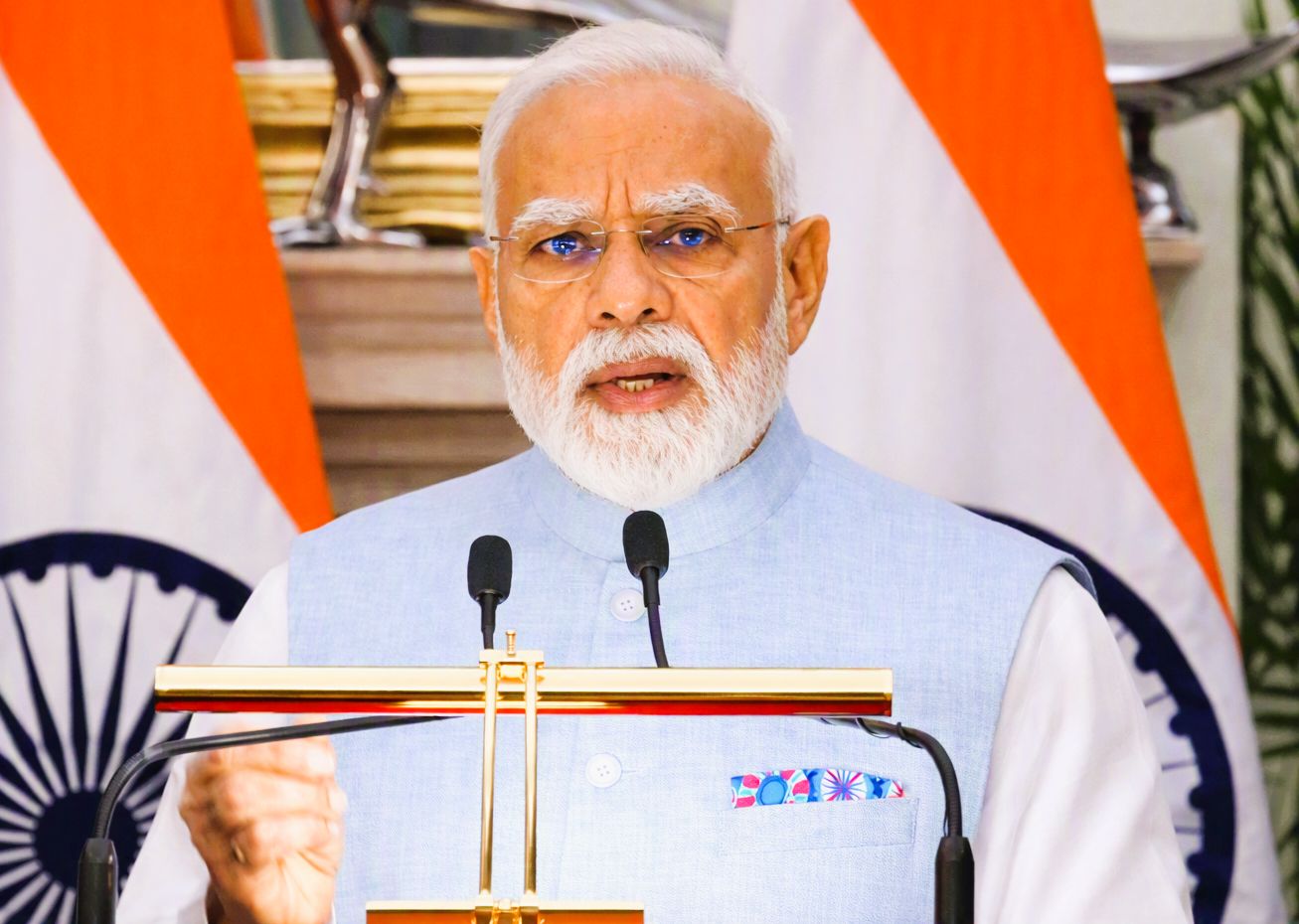
Pune metro gets major boost as PM Modi unveils ₹21,800 crore infra push

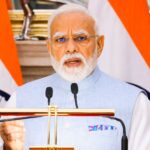
New Delhi, November 3: Prime Minister Narendra Modi on Tuesday inaugurated and laid the foundation stone for Pune Metro projects worth approximately ₹21,800 crore via video conferencing. These included the inauguration of the approximately 23-kilometer-long Pink Line of the Pune Metro, built at a cost of over ₹8,300 crore, and the laying of the foundation stone for four metro lines of the second phase, estimated to cost approximately ₹13,500 crore.
On this occasion, the Prime Minister said that the expansion of the Pune Metro will give new impetus to the city’s development and make life easier for the people. The joy of festivals is further enhanced when new amenities are added to life. Today is such a happy occasion for the people of Pune. He congratulated the people of Pune and Maharashtra on these projects.
Modi recalled that about 10 years ago, he had the opportunity to lay the foundation stone for the first phase of the Pune Metro. Now, with the establishment of a metro line between Hinjewadi and Shivajinagar, Pune’s major IT hub will enjoy improved connectivity. The new lines, whose foundation stone was laid today, will further strengthen the connection between the city’s old and new areas.
He said that Pune has always been a hub of ideas that have given new direction to the nation and society. Today, the city is also nurturing the new energy of a developed India. In sectors like IT, automobiles, pharmaceuticals, startups, innovation, and manufacturing, Pune is a place of dreams and determination for the country’s youth. Strengthening metro connectivity will accelerate the city’s development.
The Prime Minister said that today, a city is not only defined by its industries or food, but also by its competitiveness and ease of living. Metro projects improve cities on both these parameters. The expansion of the Pune Metro will save people time and provide them with better transportation facilities. When a city’s time is saved, its productivity increases, which boosts the country’s economy and benefits both the poor and the middle class.
Modi said that the first metro in the country ran in 1984, but in the following 30 years, only 248 kilometers of metro lines were built. By 2014, metro service was available in only five cities in the country. He said that if old thinking and work culture had continued, it would have taken several more decades for the metro to reach Pune.
He said that after the formation of the National Democratic Alliance (NDA) government in 2014, a resolution was made to ease the lives of the middle class living in cities and improve transportation facilities. Over the past 12 years, the country’s metro network has expanded rapidly. In 2014, the metro network was 248 kilometers long, and now it has grown to nearly 1,200 kilometers. Earlier, metro services were available in five cities, while today metro services are available in 26 cities across the country. More than 10 million people travel by metro daily, and the Indian metro network has become one of the top three metro networks in the world.
The Prime Minister noted that Maharashtra has also seen rapid expansion of its metro network. In 2014, only 101 kilometers of metro lines were operational in the state, while today nearly 200 kilometers of metro lines are in service. Work is underway on more than 680 kilometers of metro lines in the state. More than ₹2.5 lakh crore is being invested in metro infrastructure in Maharashtra. This is creating employment opportunities for workers, engineers, shops, and factories.
He said that the Pune Metro project is also special because it is being built under the Public-Private Partnership (PPP) model. It is an example of joint efforts between the government and the private sector. The success of this model can further accelerate the country’s progress.
Modi said that every citizen and youth of the country is fully committed to building a developed India. In the last 12 years, numerous infrastructure projects have been completed in the country, including rural roads, highways, expressways, railway electrification, tunnels, and bridges. In the coming years, India will focus its energy on making its cities among the best in the world.
He said that cities are not just places to live but also major centers of economic activity. Hundreds of small cities in the country need to be developed as centers of development. With this vision, the Urban Challenge Fund was approved in February this year. The central government is providing assistance of Rs 1 lakh crore for this. Through this, the goal is to mobilize investments worth lakhs of crores of rupees in the country’s cities in the coming years. He called on local bodies and the private sector to step forward in this campaign.
The Prime Minister said that despite difficult global conditions, India has maintained the fastest pace of economic growth in the world. According to the latest World Bank report, 500 million people in India have overcome extreme poverty in the last 10 to 12 years. He said that earlier, the fight against poverty was limited to slogans, but today India is defeating poverty on the ground. India is not only the fastest growing economy but also a leader among countries in reducing poverty.
He said that the poor have gained confidence due to access to amenities like housing, toilets, water and gas connections in every home. The benefits of government schemes are now reaching the beneficiaries directly. When the country’s money is spent on infrastructure like roads, railways, airports, and metros, and when investment in power, water, and gas pipelines increases, people’s lives improve and employment opportunities also increase.
Modi said that last month marked his 25th year as head of government. His government’s mantra has always been to empower the poor so that they have the courage to overcome their poverty. With this vision, while serving as Chief Minister of Gujarat, he initiated the Garib Kalyan Melas (Poor Welfare Fairs). These fairs focused on providing benefits of poor welfare schemes to the people. He described this as “Power to Empower,” meaning empowering the poor, and said that this is good governance.
The Prime Minister also mentioned farmers in Maharashtra affected by bad weather and natural disasters. He said that many farmer families in the state are facing difficulties due to the harsh weather. Under the leadership of Chief Minister Devendra Fadnavis, considerable work has been done on water conservation in the last few years, but natural disasters have exacerbated the farmers’ difficulties. He assured that the NDA government stands with farmers with full sensitivity in this time of crisis.
He appealed to the countrymen to remember the farmers during the festive season and ensure that the joy of Diwali remains in their homes. The hardships of farmers and rural residents affected by drought and natural disasters should not be forgotten. Everyone must face this crisis together.
Prime Minister said that collective efforts and united efforts are the lifeblood of a developed India. With this spirit, everyone should remain engaged in the country’s development.
Tags:


Related Post