




Yogi Adityanath directs officials to safeguard citizens amid natural calamities

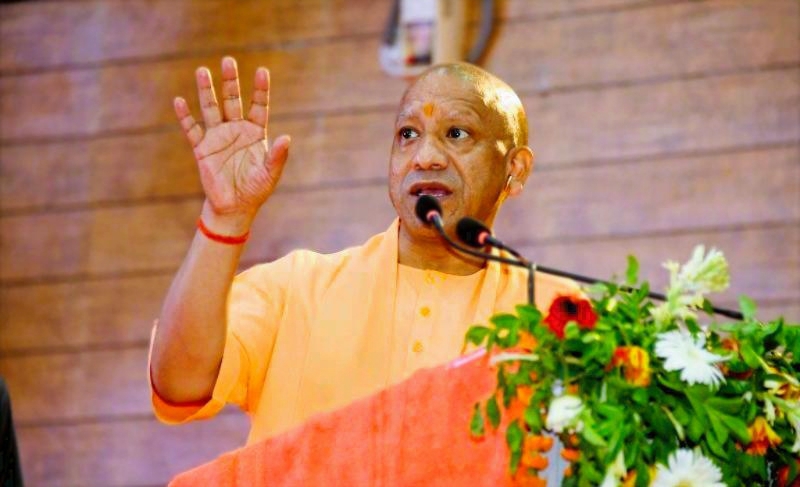
Lucknow, July 20: Chief Minister Yogi Adityanath has stated that whether it’s a flood or a drought, the safety of every citizen, the protection of farmers’ crops, and the livelihoods of the general public are the state government’s top priorities. He has directed officials to work with utmost sensitivity, promptness, and coordination in relief and rescue operations, ensuring timely assistance reaches every affected individual.
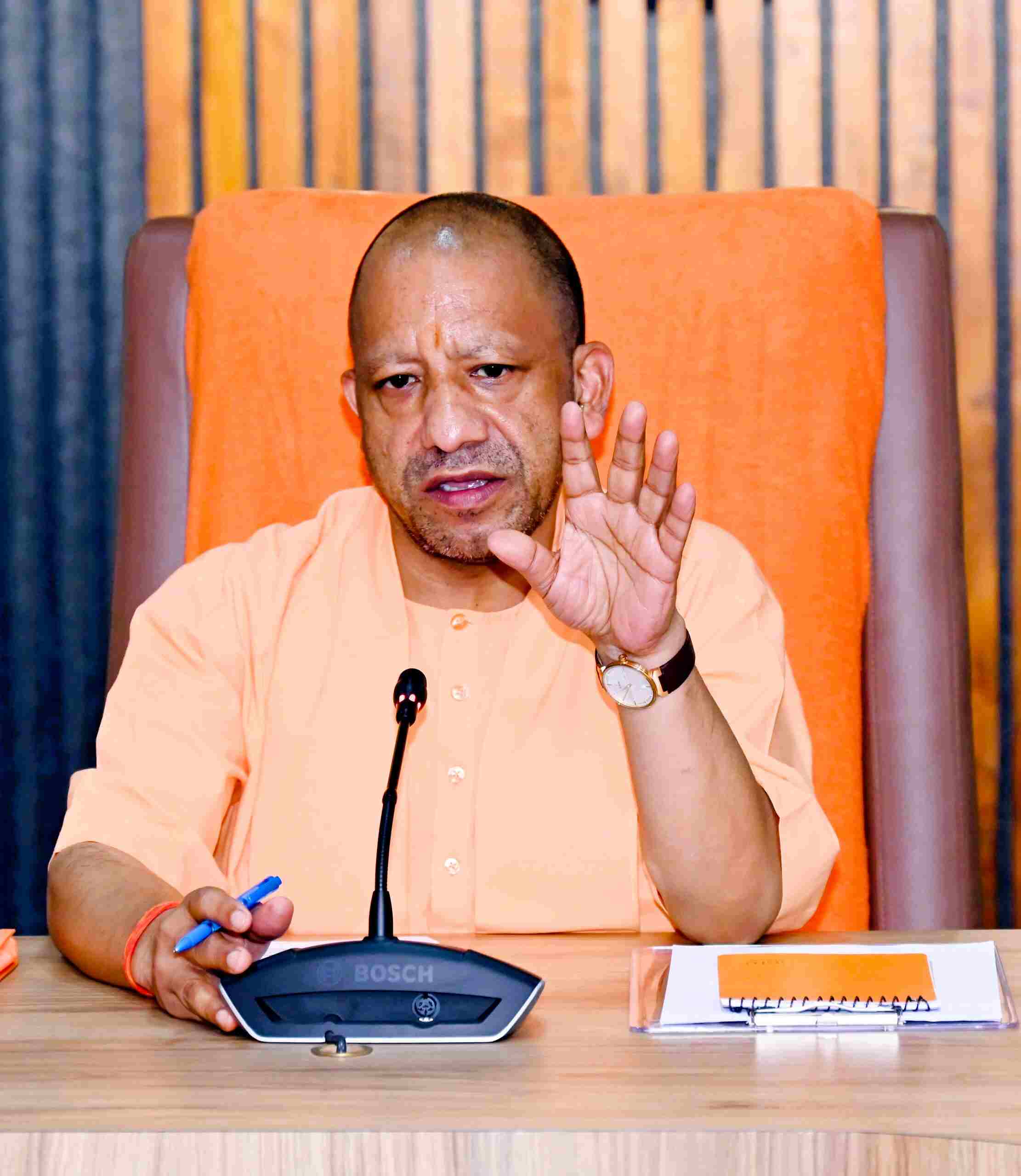
Chief Minister was chairing a high-level review meeting at his official residence on Monday to address the dual challenges posed by erratic rainfall in the state: the potential for drought in areas with low rainfall and potential flooding in areas with excessive rainfall. He stated that the current situation in each district is unique, and therefore, relief and rescue strategies should be tailored to local needs.
Yogi said that agricultural activities should not be affected in districts that have received less than normal rainfall. Maximum utilization of canals, reservoirs, government tube wells, and other available irrigation resources should be ensured. Real-time sowing and irrigation data should be regularly reviewed to ensure timely assistance is provided to farmers. Where sowing is likely to be affected due to insufficient rainfall, the Agriculture and Irrigation Departments should formulate a joint action plan to provide immediate relief.
Chief Minister said that while providing all possible assistance to farmers in areas with low rainfall, flood relief and rescue preparations should be conducted with utmost vigilance in districts with high rainfall. The control room of the Relief Commissioner’s Office should be operational 24 hours a day, and hourly updates should be provided to the Chief Minister’s Office, the Director General of Police’s Office, and relevant relief agencies. The situation for each district should be regularly updated on the state-level dashboard.
CM Yogi directed that all relief camps in flood-affected and vulnerable districts be fully prepared within the next three days. Ensure fresh and nutritious food, clean drinking water, medical facilities, sanitation, and other necessary arrangements in the relief camps. Milk should be made available for children through dairy farms. Special attention should be paid to the needs of women, children, the elderly, the disabled, and pregnant women. Relief kits should be of high quality and nutritious.
Yogi Adityanath said that, where necessary, larger boats should be arranged in addition to ordinary boats. The services of trained “Disaster Friends” should be utilized extensively, and each District Magistrate should personally monitor relief and rescue operations. The NDRF, SDRF, PAC, Police, Revenue, Irrigation, Health, Animal Husbandry, and local administration should work in complete coordination. Necessary decisions should be made in time by continuously analyzing water level information received from the Meteorological Department, Central Water Commission, and Nepal regarding lightning, heavy rainfall, loss of life, and other hazards. In case of potential danger, affected populations should be informed and evacuated to safer locations.
The Chief Minister placed special emphasis on the safety of embankments and directed that they be monitored 24/7 and patrolled regularly. He said that the possibility of damage to embankments by natural causes as well as by unruly elements cannot be ruled out, therefore, special vigilance should be exercised at sensitive locations. Where there is a possibility of erosion or leakage, immediate protective measures should be taken. All tenders and administrative formalities related to relief materials, boats, motorboats, and other essential resources should be completed immediately so that relief efforts are not hampered in any emergency.
While giving instructions to ensure the safety of livestock, the Chief Minister said that animals should be transported to safe locations promptly and not left in waterlogged areas. Timely vaccination of animals should also be ensured to prevent infectious diseases according to the season.
It was informed at the meeting that currently, 42 villages in four tehsils of four districts of the state are affected, where 332 people have been affected. Currently, Ballia, Gautam Buddha Nagar, Lakhimpur Kheri, and Muzaffarnagar are the affected districts. 1,412 flood posts are active for relief and rescue operations. 549 medical teams have been formed, 55 boats and motorboats have been deployed, and 1,096 flood shelters are operational. Assistance is being provided to affected families as per regulations.
The meeting was also informed that extensive pre-preparations have been completed in 44 flood-prone districts. 1,694 relief shelters have been identified, with a capacity to shelter approximately 5.14 lakh people. Control rooms are active in all districts, and NDRF, SDRF, and PAC teams have already been deployed in vulnerable areas. 910 animal shelters have been established to protect livestock, and necessary teams are also deployed.
The Chief Minister directed that river channelization work be continued to make flood management more effective, ensuring smooth water flow and minimizing erosion and waterlogging. He also said that if a poor family’s home is destroyed in a fire accident, they should be provided immediate housing under the Chief Minister’s Housing Scheme on a priority basis. In urban areas, open manholes should be covered immediately and all precautionary measures related to public safety should be ensured.
Tags:

Related Post