



Yogi promises to end door‑to‑door struggles, guaranteeing justice and dignity for neglected nomadic tribes

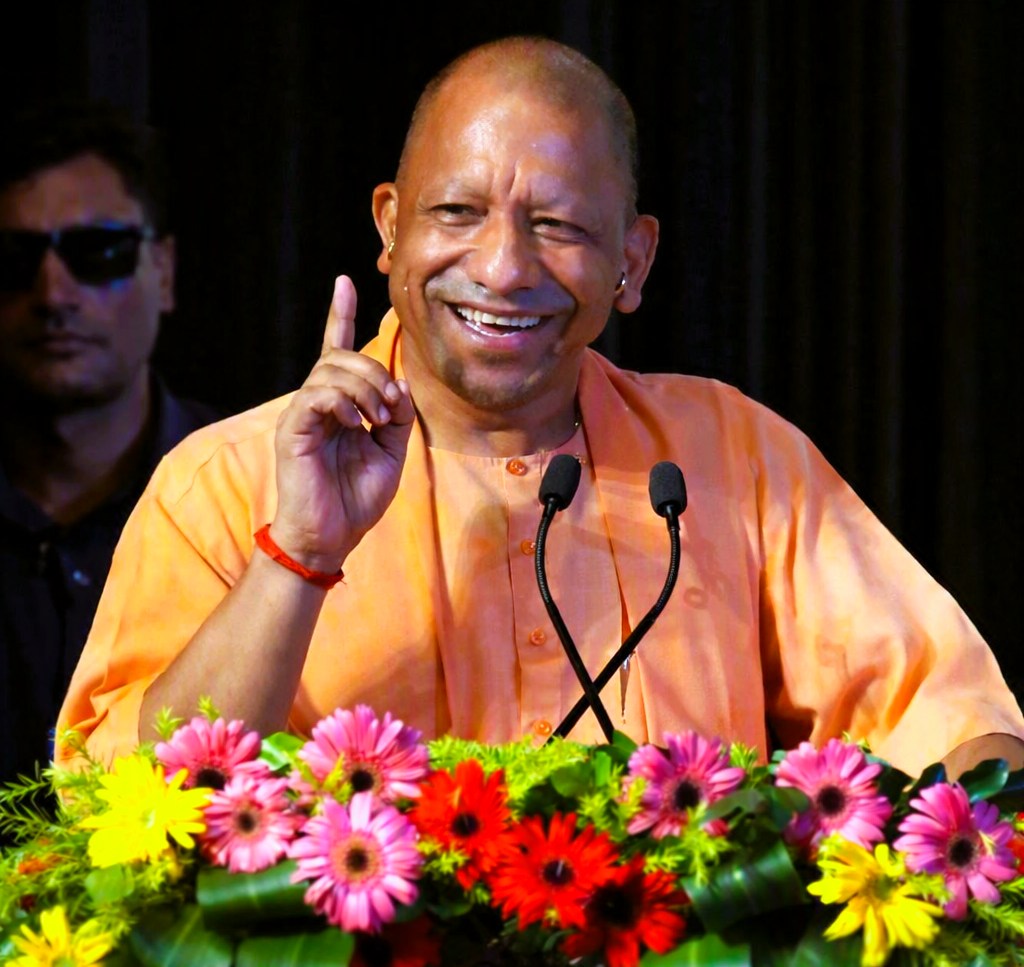
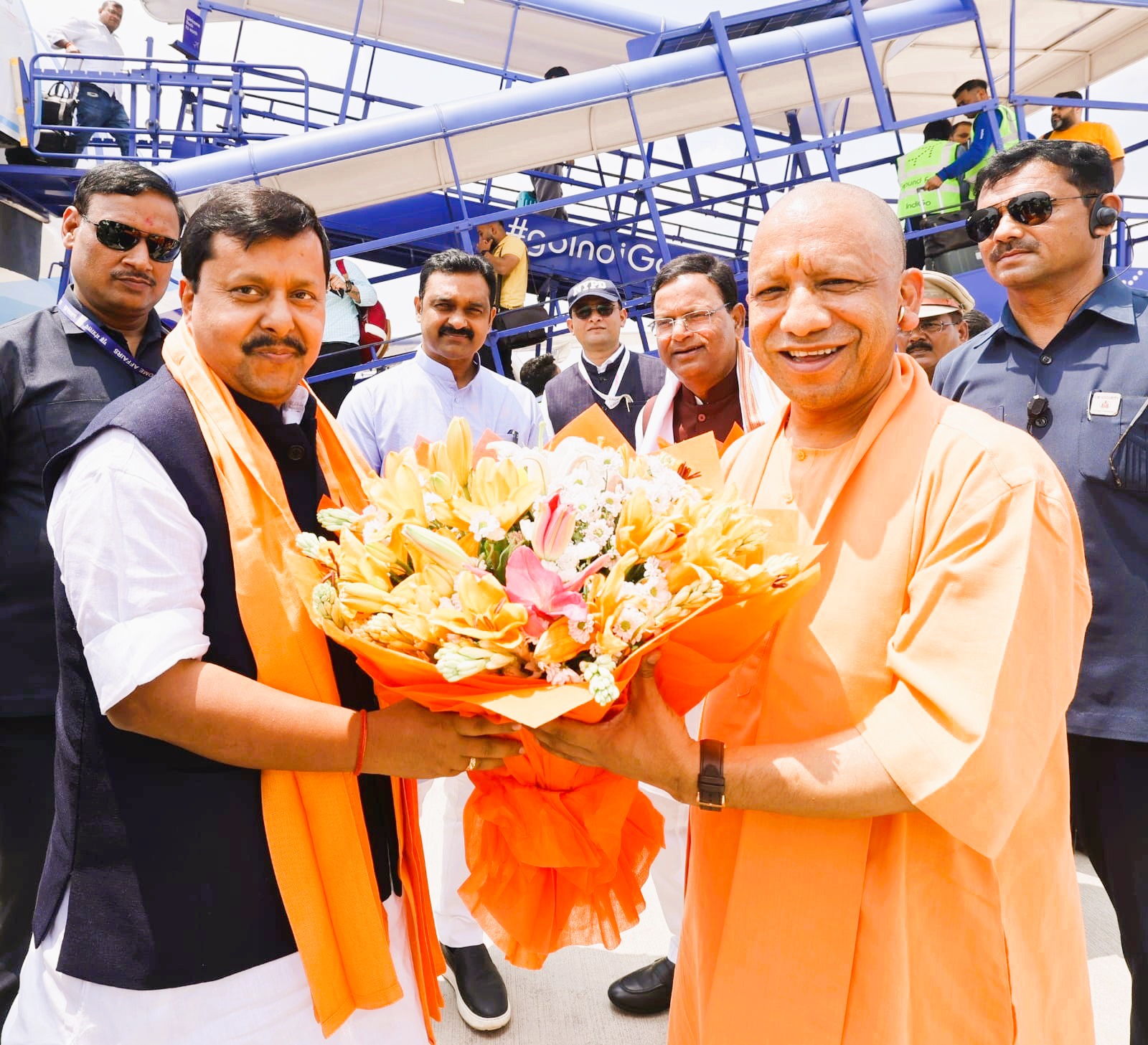
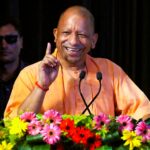
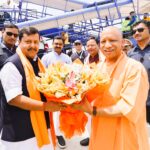
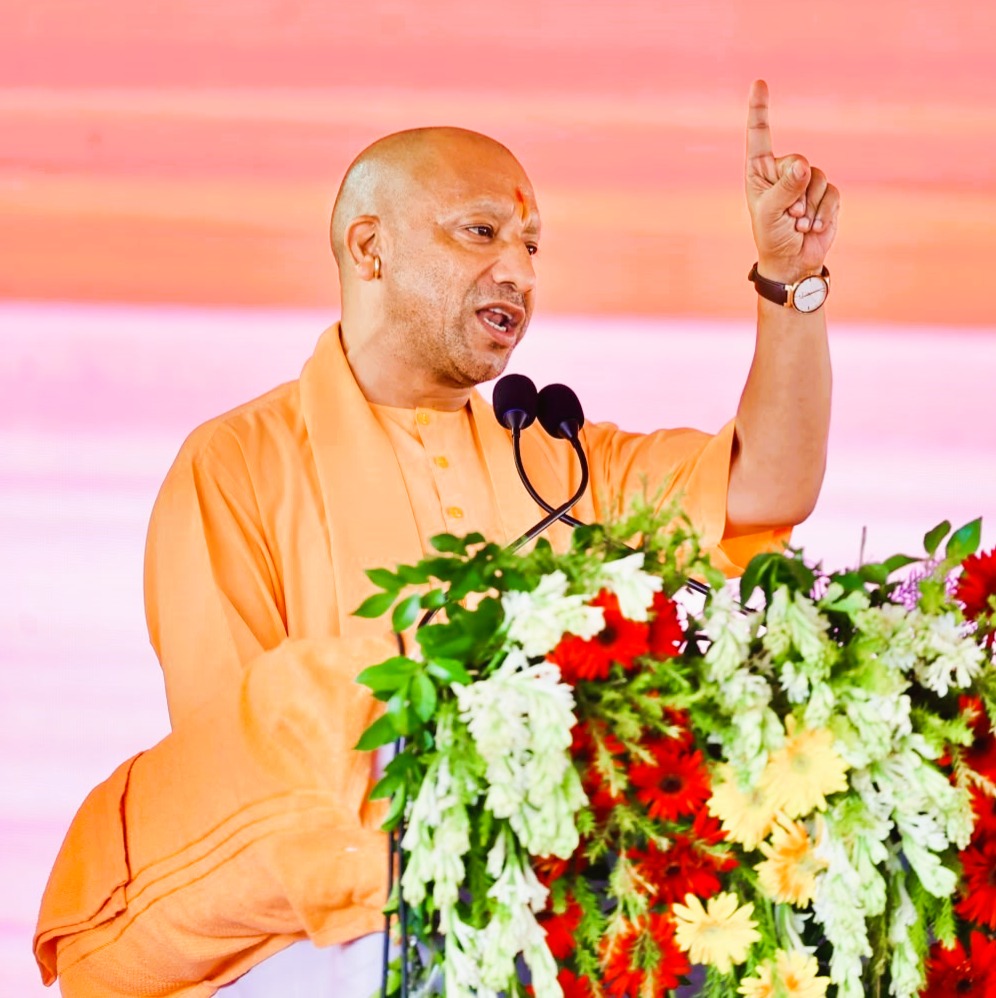
Lucknow, August 06: Chief Minister Yogi Adityanath declared that nomadic communities will no longer be forced to struggle from door to door, assuring that the double‑engine government will work with full commitment to secure their right to a dignified life, connect them with every welfare scheme, and drive their overall development through the newly formed Nomadic Development Board, which he said will serve not just as an administrative system but as a powerful medium to deliver justice, respect, and opportunities to freed and nomadic groups long neglected.
Addressing a program of gratitude and felicitation organized by the community on Thursday, following the State Cabinet’s decision to establish the Nomadic Development Board, the Chief Minister said that the mantra of “Sabka Saath, Sabka Vikas” (Together with all, Development for all), given to the nation by Prime Minister Narendra Modi in 2014, is now reaching the last person in society. The Nomadic Development Board is a new step in this vision of providing benefits of government schemes to every eligible person, regardless of caste, region, language, or any other form of discrimination.
The Chief Minister said that through the Criminal Tribes Act of 1871, the British declared as criminals those brave communities who played a leading role in the struggle for India’s independence. After the First War of Independence of 1857, the British, as part of a well-planned conspiracy, stigmatized these castes to erode their social prestige. In independent India, Baba Saheb Dr Bhimrao Ambedkar ended this injustice and granted these communities the status of Vimukta Jati (free caste). However, the necessary efforts for their proper development were not made for a long time. For the first time, a national-level commission was formed for them under the leadership of Prime Minister Narendra Modi, and in line with that spirit, the Uttar Pradesh government has decided to establish the Nomadic Development Board.
Chief Minister said that last year, at a conference of the nomadic community, the demand for the formation of the board was placed before him, and he announced it at that time. Now, the process of forming the board has begun.
He assured that its formation will be completed soon and its structure will ensure representation of various nomadic and freed castes, so that their voices reach the government directly and their development plans can be implemented more effectively.
The Chief Minister said that the double-engine government has, for the first time, comprehensively connected many disadvantaged communities, including the Vantangiya, Musahar, Tharu, Gaud, Chero, Buksa, Kol, and Sahariya, with government schemes. These communities have been provided with benefits from schemes such as ration cards, land leases, Prime Minister’s and Chief Minister’s housing, Ayushman Bharat cards, free electricity and gas connections, and pensions for old age, destitute women, and disabled persons. The government’s goal is to ensure 100% coverage of all eligible individuals.
Chief Minister said that Prime Minister Narendra Modi repeatedly states that the double-engine government has honored and integrated those who were never consulted by the Congress and Samajwadi Party into the mainstream of society. For the government, the public is not just a vote bank, but Janardan, and with this spirit, the benefits of development are being extended to every citizen.
Making special mention of the snake charmer community, the Chief Minister said that this community has been a follower of the tradition of Guru Shri Gorakhnath, the incarnation of Shiva, since ancient times. During times of foreign invasions, when modern means of communication were unavailable, this community used hymns and traditional musical instruments to alert people and play an important role in social awareness. Even today, this community continues to live a nomadic life. The state government will work with full commitment for their dignified rehabilitation and overall development.
Tags:

Related Post