

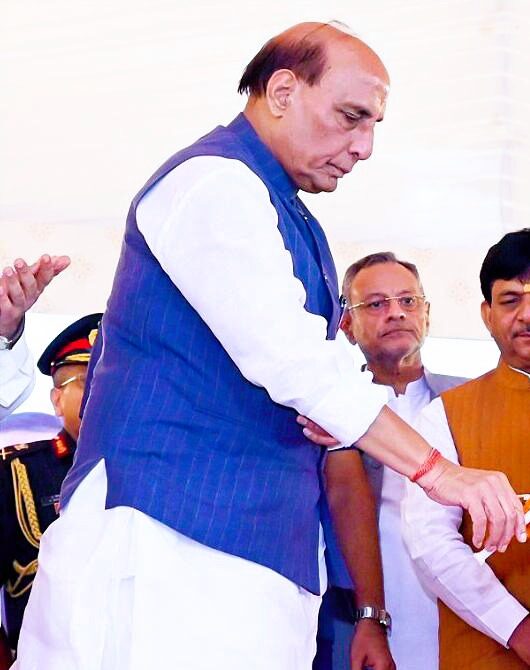




SEM court orders release of CJP leaders Sourav Das and Ashutosh Ranka

New Delhi, October 21: The Special Executive Magistrate (SEM) Court at Mandir Marg in Delhi has ordered the release of Cockroach Janata Party (CJP) spokesperson Sourav Das and Ashutosh Ranka. Both were in judicial custody for the last seven days. Today the judicial custody of both was ending, after which they were produced in the Special Magistrate Court.
During their production, the Delhi police had demanded extension of judicial custody by three days, but the Special Executive Magistrate rejected this demand.
Earlier, both had withdrawn their petition from the Delhi High Court on Wednesday morning.
A bench headed by High Court Judge Justice Subramonium Prasad, while granting them permission to withdraw their petitions, suggested they withdraw for the time being, as the Special Magistrate Court is reconsidering the bail applications of Sourav Das and Ashutosh Ranka today.
The High Court told Abhik Chimni, the lawyer representing the two leaders, that this is a case where a precautionary notice is violated, followed by another precautionary notice. A peace bond is submitted there, and then the bond is broken. Whether this is correct or not, we will see later. The court asked if the person who broke the bond could be considered completely illegal or against the law.
The court suggested they approach the appellate court before approaching the High Court.
During the hearing, the High Court inquired about the ages of Ashutosh Ranka and Sourav Das. The court then remarked that these two are not genuine, as one stated his age as 27 years old, while the other stated his age as 31 years old.
The court noted that initially, it was a student protest, involving children, but now the issue of the protest has changed. The court said the people are the same, but the purpose of the protest has changed. Who are you, which organization are you affiliated with, and what is that organization’s purpose? When there’s a fear of a breach of peace, it’s crucial to know the answers to these questions. The court said that for groups whose issues and objectives change from time to time, the question arises as to whether a magistrate should consider these aspects when considering a potential breach of peace.
Tags:
Related Post