



Banking system to become more secure and reliable: PM Modi at RBI facility launch

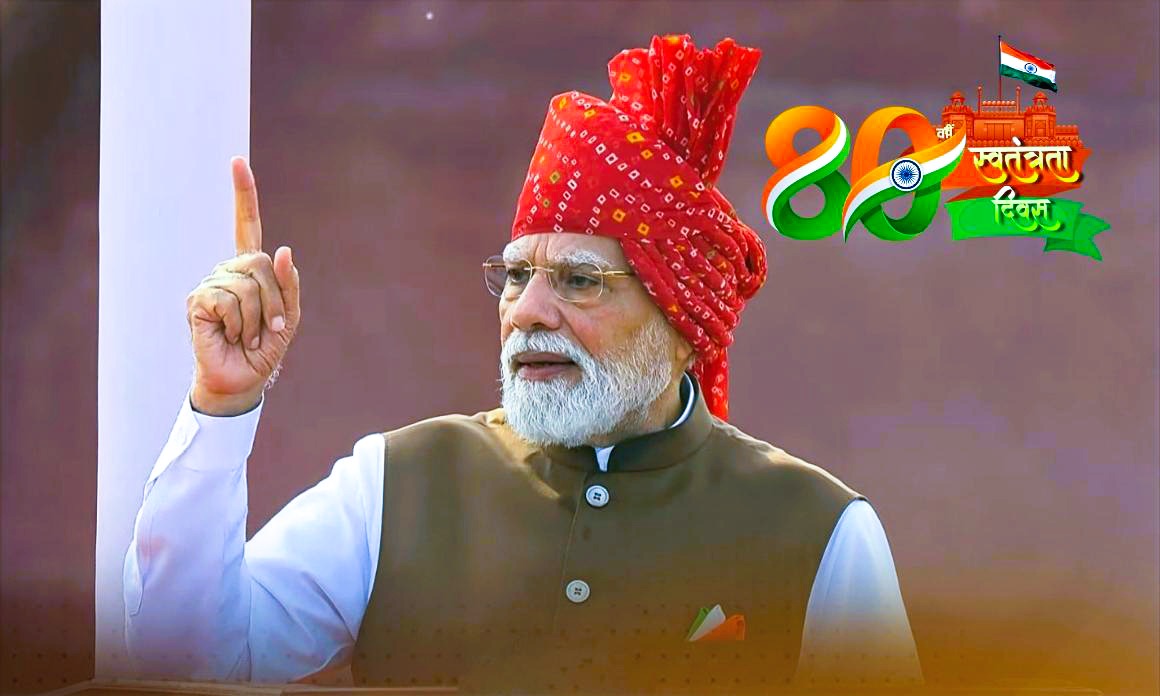
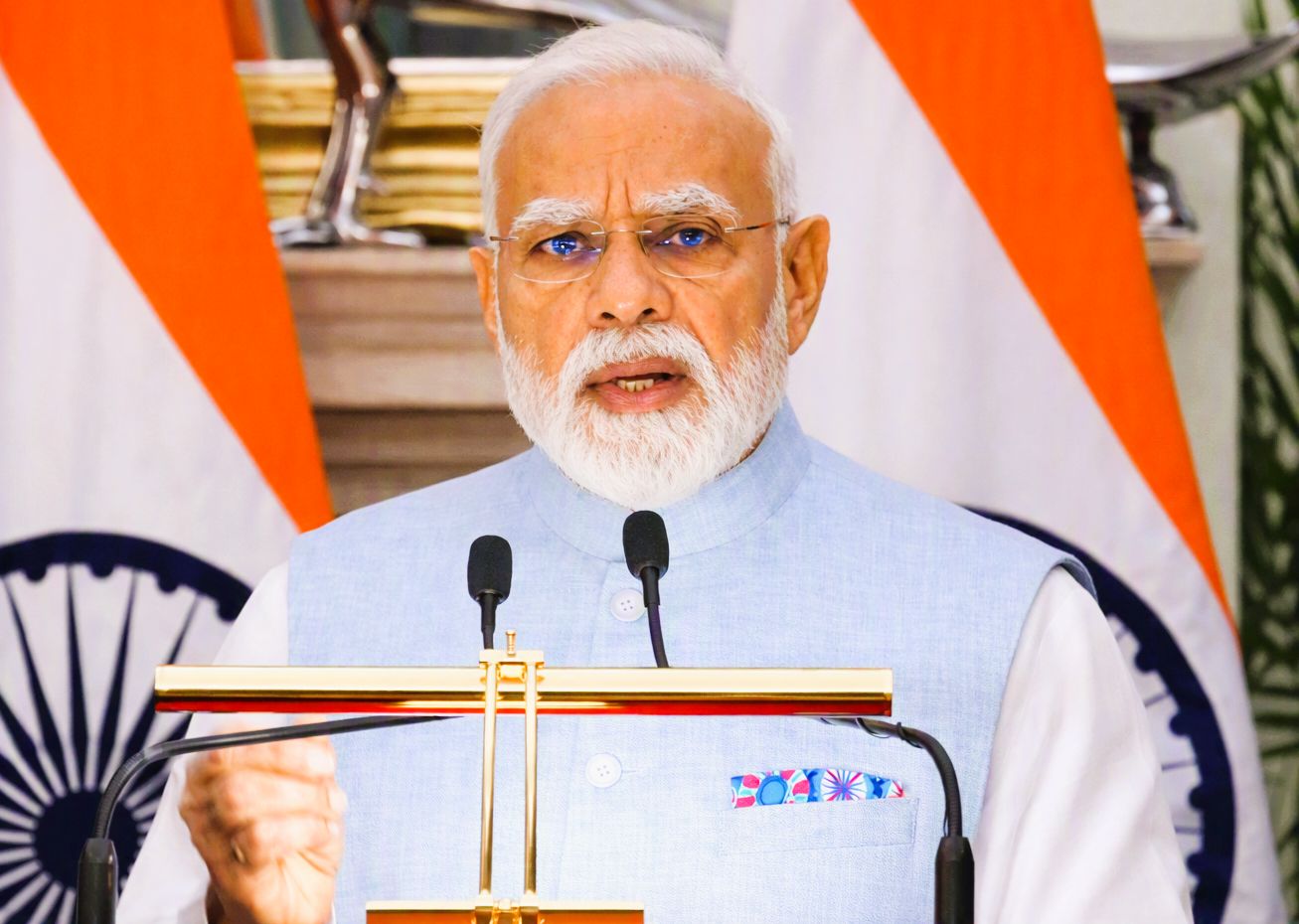
Bhubaneswar, October 25: Prime Minister Narendra Modi inaugurated the Reserve Bank of India’s (RBI) Data Center and Cyber Security Training Institute in Bhubaneswar on Sunday. On this occasion, he said that both these facilities will play a vital role in making the country’s banking system more secure, efficient, and reliable.
He said that Eastern India is becoming a powerful growth engine of developed India, and Odisha is strengthening its economy not only with natural resources but also in the field of technology.
The Prime Minister said that efforts are being made to develop a new ecosystem of semiconductors and electronics along with the expansion of mineral-based industries in Odisha. New investment opportunities are emerging in the fields of data centers and advanced computing in the state, which will open up new employment and development opportunities for the youth.
He expressed confidence that Odisha will write a new development story, “from mines to microchips.”
Odisha Governor Brajmohan Ram, Chief Minister Mohan Charan Majhi, Union Finance Minister Nirmala Sitharaman, Union Ministers Jual Oram, RBI Governor Sanjay Malhotra, Deputy Chief Ministers Prabhati Parida and Kanak Vardhan Singh Deo, along with several dignitaries from the banking and financial sectors, were present on the occasion. The Prime Minister stated that the inauguration of these new RBI facilities in Bhubaneswar is a testament to the rapid transformation of governance in the country. The government’s priority is to broaden development and ensure its benefits reach the last person in society.
He noted that after independence, major hospitals, airports, and institutions developed in major cities, but smaller towns and remote areas remained lacking in basic infrastructure. People had to travel long distances for better treatment, and in many villages, access to roads, electricity, and water remained a major challenge.
Prime Minister stated that his government has strived to change this approach. The government is working on a model of “pro-people, pro-active, and good governance.” Development means balanced growth for India, providing equal opportunities to villages and small towns, and improved connectivity to remote areas.
Modi noted that today, expressways are connecting small towns, institutions like AIIMS are expanding, medical colleges are opening in small towns, and nearly 150,000 Ayushman Arogya Mandirs have been established in villages. Expanding digital connectivity to remote areas is also part of this transformation. The true objective of good governance is to make life easier for citizens and provide new opportunities for their dreams. Digital banking has transformed the country’s banking system.
Prime Minister said that for decades, the poor and middle class were deprived of banking facilities. Despite the nationalization of banks, until 2014, more than half of the country’s population remained outside the banking system. Obtaining bank loans was difficult for the poor, small farmers, landless families, and women.
He alleged that before 2014, loans worth thousands of crores of rupees were given to select individuals with political connections through phone banking, while ordinary families needed guarantors even to open a bank account. The Prime Minister said that this system had led to the banking system being mired in a crisis of non-performing assets (NPAs).
He said that the new ecosystem of Digital India has played a vital role in making banking services accessible to every citizen of the country. Today, through digital banking, people are availing banking services 24/7. Earlier, phone banking benefited a select few families, whereas today, digital banking has expanded opportunities for every family in the country.
Referring to Direct Benefit Transfer (DBT), the Prime Minister said that earlier, it was said that only 15 paise out of every rupee sent from the central government reached the beneficiaries. Today, through Jan Dhan accounts and digital payment systems, the entire amount of government assistance is reaching the beneficiaries’ bank accounts.
He said that this system has been made possible by the opening of approximately 59 to 60 crore Jan Dhan accounts in the country. This has helped in delivering the benefits of government schemes directly to the people and reducing the role of middlemen.
The Prime Minister said that now, even without bank guarantees, small entrepreneurs, traditional artisans, street vendors, and unorganized sector workers can start their own business by availing easy loans.
He pointed out that 13 crore people have become entrepreneurs for the first time through the Pradhan Mantri Mudra Yojana. The PM Svanidhi Yojana has provided loans to lakhs of street vendors, while the PM Vishwakarma Yojana has connected traditional artisans with the banking system. Nearly 100 million women associated with self-help groups in rural areas have also received assistance worth thousands of crores of rupees from banks.
Prime Minister stated that in the last decade, along with economic empowerment, social security has also expanded significantly. Nine crore people have received social security coverage through the Atal Pension Yojana, including approximately 3.8 million in Odisha alone.
He noted that a decade ago, insurance was difficult to afford even for the poor and middle class. Keeping this in mind, the government launched the Pradhan Mantri Suraksha Bima Yojana and the Pradhan Mantri Jeevan Jyoti Bima Yojana.
Under the Pradhan Mantri Suraksha Bima Yojana, accident insurance up to ₹2 lakh is available for an annual premium of ₹20. Meanwhile, under the Pradhan Mantri Jeevan Jyoti Bima Yojana, life insurance is provided for an annual premium of less than ₹450.
Prime Minister stated that claims worth over ₹25,000 crore have been paid to individuals under these two schemes so far. He described this as an example of good governance, stating that the government is focusing on providing assistance to the needy without publicity.
Securing the banking system from cybercrime is essential.
Prime Minister noted that in the last decade, attention has been paid to making banking services accessible to those previously deprived of them. In the coming decade, the banking system will need to be made more efficient and reliable. The new data center in Bhubaneswar will play a crucial role in this.
He added that to keep the banking system secure, its digital infrastructure must also be secured. This requires robust data centers and efficient computing systems.
The Prime Minister cautioned that today, wars are not only fought with weapons, but a country can also be weakened by attacking its economy. As India’s economic strength grows, it is equally important to protect the banking system from cybercriminals and cyberterrorists.
He emphasized that the nature of cyber threats is constantly changing. These new challenges cannot be met with outdated training systems and tools. This requires modern infrastructure and skilled human resources. The Cyber Security Training Institute established in Bhubaneswar will play a crucial role in this direction.
Prime Minister stated that the RBI’s new facilities reflect steps towards making Eastern India a strong growth engine of a developed India. The formation of the double-engine government in Odisha has given Odisha new momentum to development, and the state’s economy is being strengthened through both natural resources and technology.
He noted that mineral-based industries are expanding, while efforts are being made to develop a new ecosystem in the semiconductor and electronics sectors. Investment opportunities in data centers and advanced computing are creating new opportunities for the state’s youth.
The Prime Minister assured the youth of Odisha that the government is committed to fulfilling their big dreams. He stated that the state has the potential to establish new dimensions of development, from mining to microchip manufacturing.
Concluding his address, the Prime Minister congratulated the RBI and all those involved in these projects and expressed confidence that the new facilities will contribute to making India’s banking system safe, efficient, and prepared for future challenges.
Tags:

Related Post