





CM Yogi extends healthcare support to state’s legal fraternity

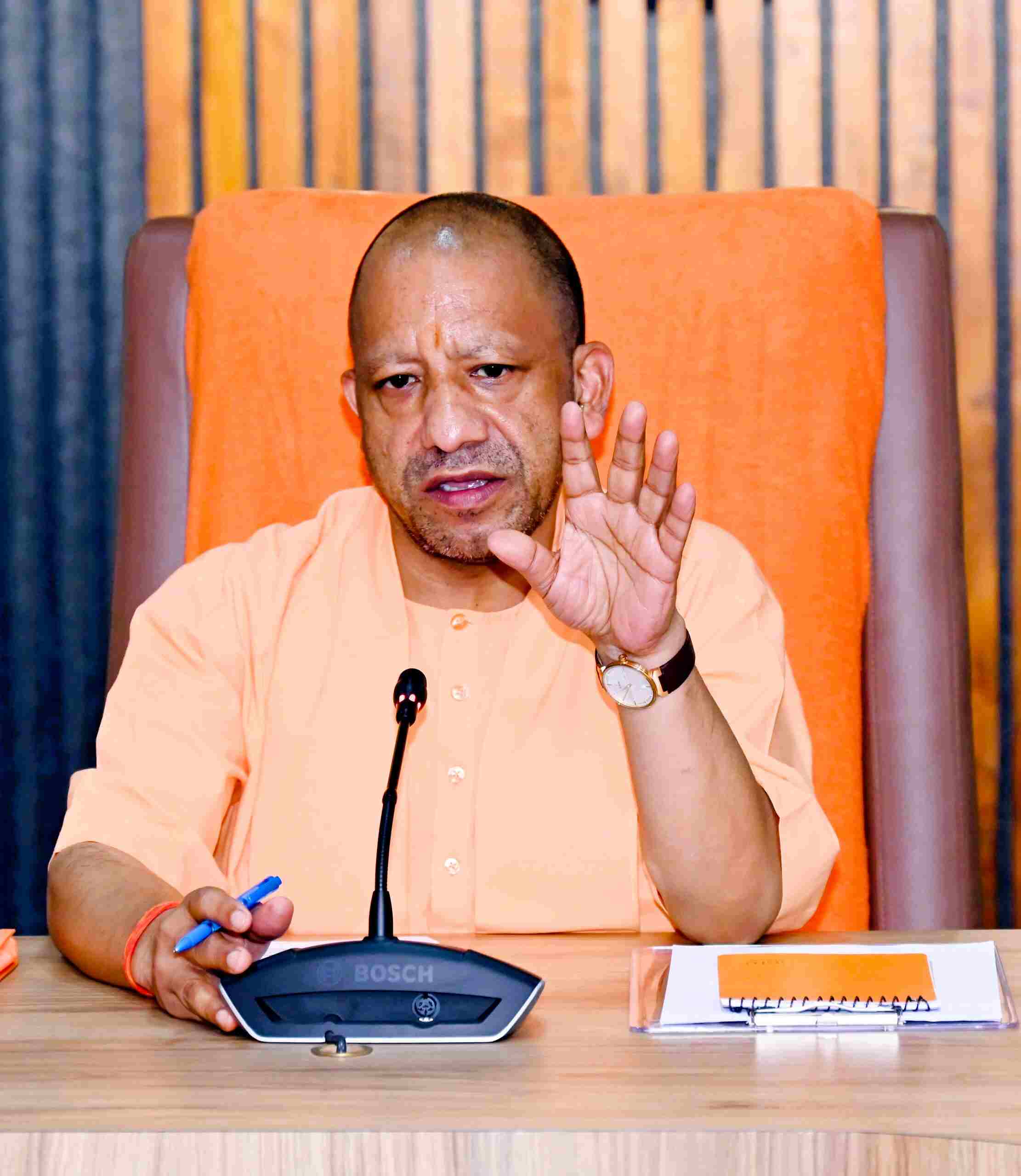
Prayagraj, September 14: Describing the lawyer community as an important part of the country’s intelligentsia, Yogi Adityanath announced on Monday that lawyers will now receive cashless treatment up to ₹5 lakh annually. Active practicing lawyers in the High Court and district courts will be included in this scheme.
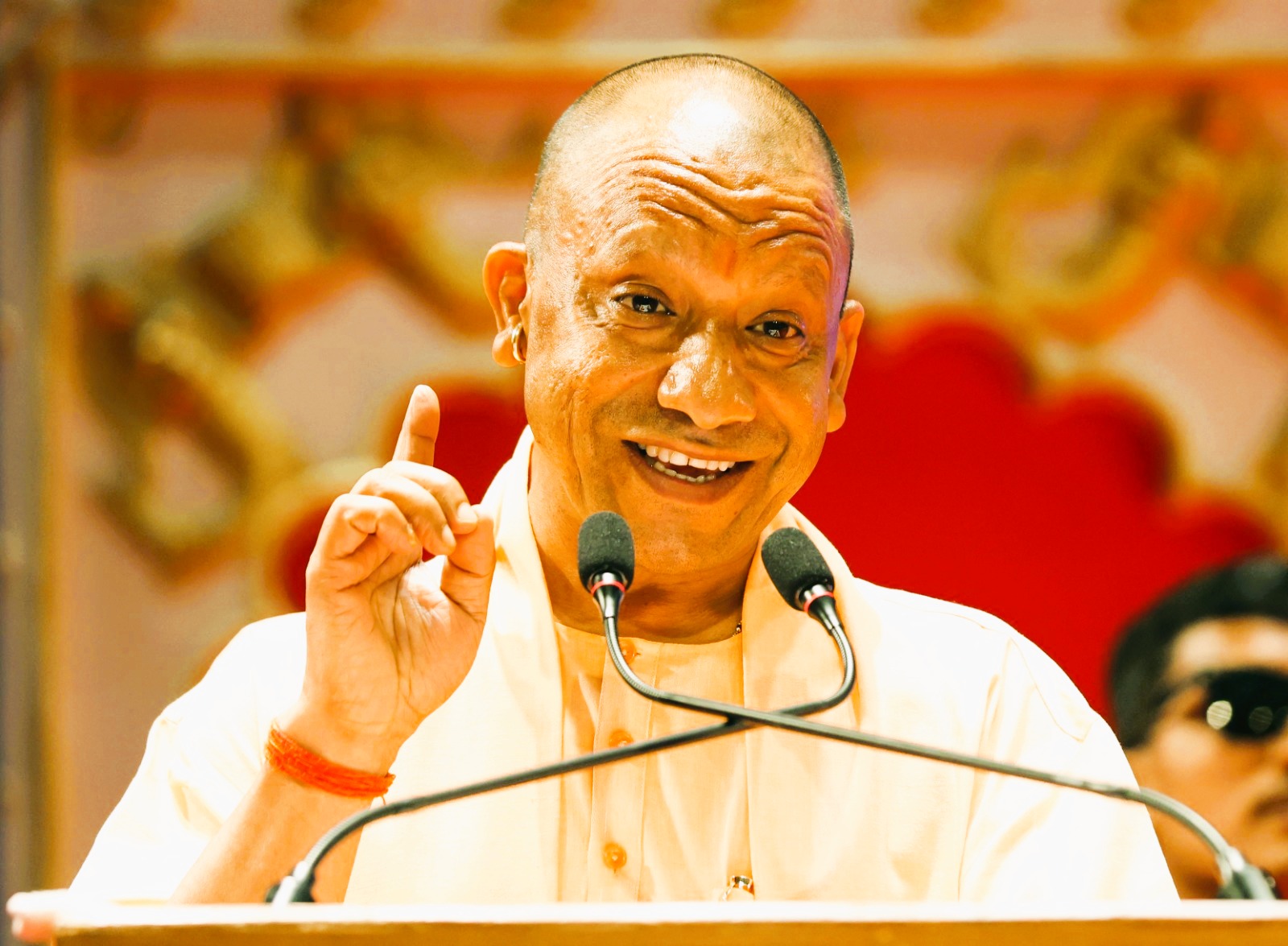
Chief Minister Yogi Adityanath was addressing the Allahabad High Court Bar Association’s felicitation ceremony on Monday. At the same event, he announced cashless medical insurance up to ₹5 lakh annually for all lawyers active in the state’s High Court and district courts. He also assured the government’s support in providing furniture and necessary equipment for the chambers of over 10,000 lawyers.
The Chief Minister said that state law officers are also being provided with these facilities. Tablets will be provided to 400 state law officers in the state, and their fees have been increased by more than 50 percent. He also announced an increase in the Advocate Welfare Fund from 1.5 lakh rupees to 5 lakh rupees, and an increase in the eligibility age for financial assistance to the family of an advocate upon their death from 60 to 70 years. The Chief Minister stated that the legal community is an important part of the country’s intelligentsia.
From the freedom movement to nation-building, advocates have played a significant role in the freedom movement, the drafting of the Constitution, and the strengthening of democracy. Prayagraj has also witnessed numerous lawyers who, along with practicing law at the Allahabad High Court, contributed to the freedom movement. Advocates like Pandit Motilal Nehru, Mahamana Madan Mohan Malaviya, Sardar Vallabhbhai Patel, and Dr Bhimrao Ambedkar, made significant contributions to the nation’s development.
He emphasized that the bar and bench are two important wheels of the chariot of justice. Respect, dialogue, coordination, and cooperation between the two are essential to strengthen the judicial system. In the meetings of the Chief Minister and the Chief Justice, issues related to advocates are also given priority.
Yogi said that before 2017, the judicial and police infrastructure in the state was facing big challenges. In many districts, district courts were functioning in temporary and rented buildings. Now there has been a big change in the judicial infrastructure. Chambers for more than 10 thousand advocates have been built in Prayagraj at a cost of about Rs 700 crores. Along with this, facilities like multi-level parking, dining hall, common room and library have also been developed.
He said that funds are also being made available for advocates’ chambers at the district level. Chambers have already been built or are under construction in about a dozen districts. The government will provide full support if the Chief Justice receives a proposal for furniture and necessary equipment for the chambers in the High Court complex.
Chief Minister stated that prior to 2017, there were a large number of vacancies in the state police. Police training capacity has now been increased from 3,000 to 60,000 personnel per year. Improved coordination between the police, prosecution, and judiciary has improved the conviction rate. The prosecution system has been brought online, and the system for effectively presenting scientific evidence in court has been strengthened.
District courts and jails have been connected with high-speed internet and video conferencing. Virtual testimony has been introduced through the Nyay Shruti system. Scanning and digitization of court documents has also accelerated. Integrated court complexes are being built in 10 districts, which will house judicial officers, provide facilities such as residences, advocate chambers, sports facilities, and affordable canteens. Approval has been given to establish 900 district-level courts in the first phase to ensure speedy justice.
Yogi said that the greatest strength of the justice system is the trust of the common man. Citizens should be confident of a fair trial, equality, and timely justice. In changing times, new areas such as cybercrime, artificial intelligence, data privacy, digital transactions, financial technology, and intellectual property have emerged. Advocates must prepare themselves to adapt to these changing circumstances.
He said that the new generation of advocates has the responsibility to carry forward the rich tradition of the Allahabad High Court. They should not limit themselves to being successful advocates, but should also become guardians of constitutional values and sensitive citizens of society. We will not harass the innocent, we will not spare the criminal.
Tags:


Related Post