





VB-G RAM G Act to replace MGNREGA, ensures 125 days of employment from July 1

New Delhi, May 11: The central government has issued a notification for the implementation of the ‘Vikas Bharat – Guarantee for Rozgar and Ajivika Mission (Gramin)’, or VB-G RAM G Act-2025, with the aim of giving a new direction to rural development and employment. This new law will be implemented in rural areas across the country from July 1, 2026, and with it, the Mahatma Gandhi National Rural Employment Guarantee Act (MGNREGA)-2005 will be considered repealed.
According to the government, under this scheme, starting July 1, people seeking employment in rural areas will now be provided 125 days of employment per year, instead of 100. In the meantime, all provisions of MNREGA will remain in effect, and unfinished work will be completed under MNREGA before July 1.
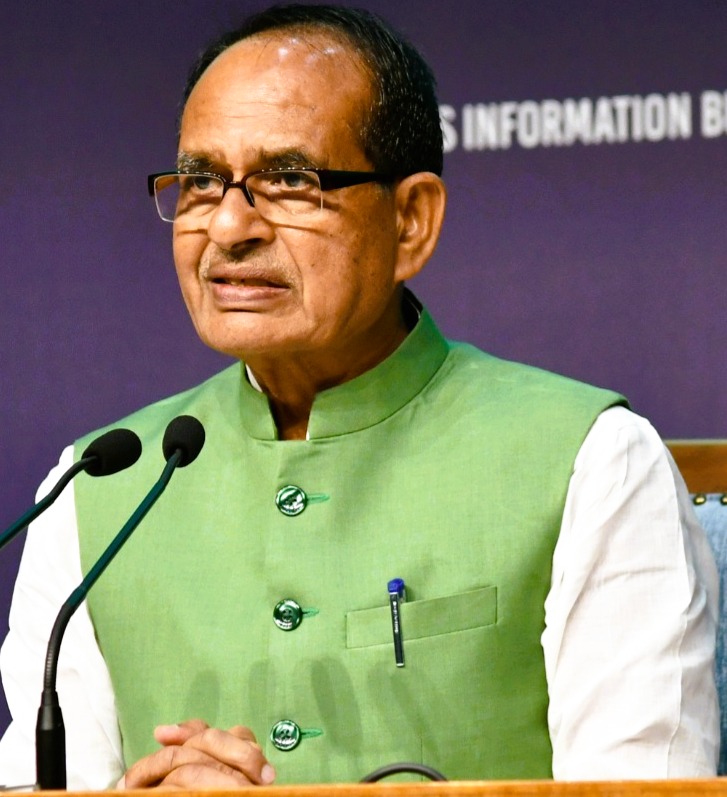
On this occasion, Union Minister of Agriculture, Farmers Welfare, and Rural Development, Shivraj Singh Chouhan, in a statement, said that this law will bring new hope, greater income security, and large-scale, sustainable development projects to the rural poor, working families, women, self-help groups, and farmers. The process of formulating rules is underway after extensive consultation with the states. However, the government’s concern is that no working class is deprived of employment during the transition period, and all necessary arrangements have been made for this.
Chouhan stated that under the VB-G Ram Ji Act, most states will have a maximum of six months to complete the required preparations. He clarified that if any state fails to complete the required preparations by July 1st, the funding pattern for works after July 1st will be under the Vikasit Bharat Ji-G Ram Ji Yojana.
The Modi government has allocated over ₹95,000 crore in its budget to generate employment under the scheme. States have also made provisions for its implementation in their respective budgets, and the total amount of central and state funds will exceed ₹1,51,000 crore.
He stated that payments to laborers will be made directly to their bank or post office accounts through DBT. Efforts will be made to ensure payments are made within three days, but the process will be completed within a maximum of 15 days to ensure the funds reach their accounts. He added that if the funds are not received within 15 days, laborers will be eligible for deferred payment, and an additional payment will be required for delayed payments. Unemployment allowance will also be provided if employment is not found upon request.
Describing this as a comprehensive scheme for the benefit of laborers, Chauhan said that the annual funding of over ₹151,000 crore will facilitate large-scale infrastructure projects in villages. Essential works related to water conservation, village infrastructure, roads, bridges, culverts, schools, Anganwadi buildings, and farms will be undertaken. Under livelihood-oriented projects, infrastructure such as working sheds for self-help groups and FPOs will also be constructed. To protect against natural disasters, works such as retaining walls in riverside villages or waterlogged areas will also be undertaken under this scheme.
He said that administrative expenses have been increased from 6 to 9 percent to ensure that employees working under the scheme are paid adequate and timely salaries.
Union Minister Chauhan expressed confidence that a new dawn is dawning in the lives of laborers and this scheme will prove to be a milestone in fulfilling the resolve to build developed villages for a developed India.
Tags:

Related Post