




India announces ₹24,000 crore development package for flood-hit Nepal

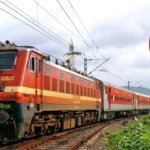
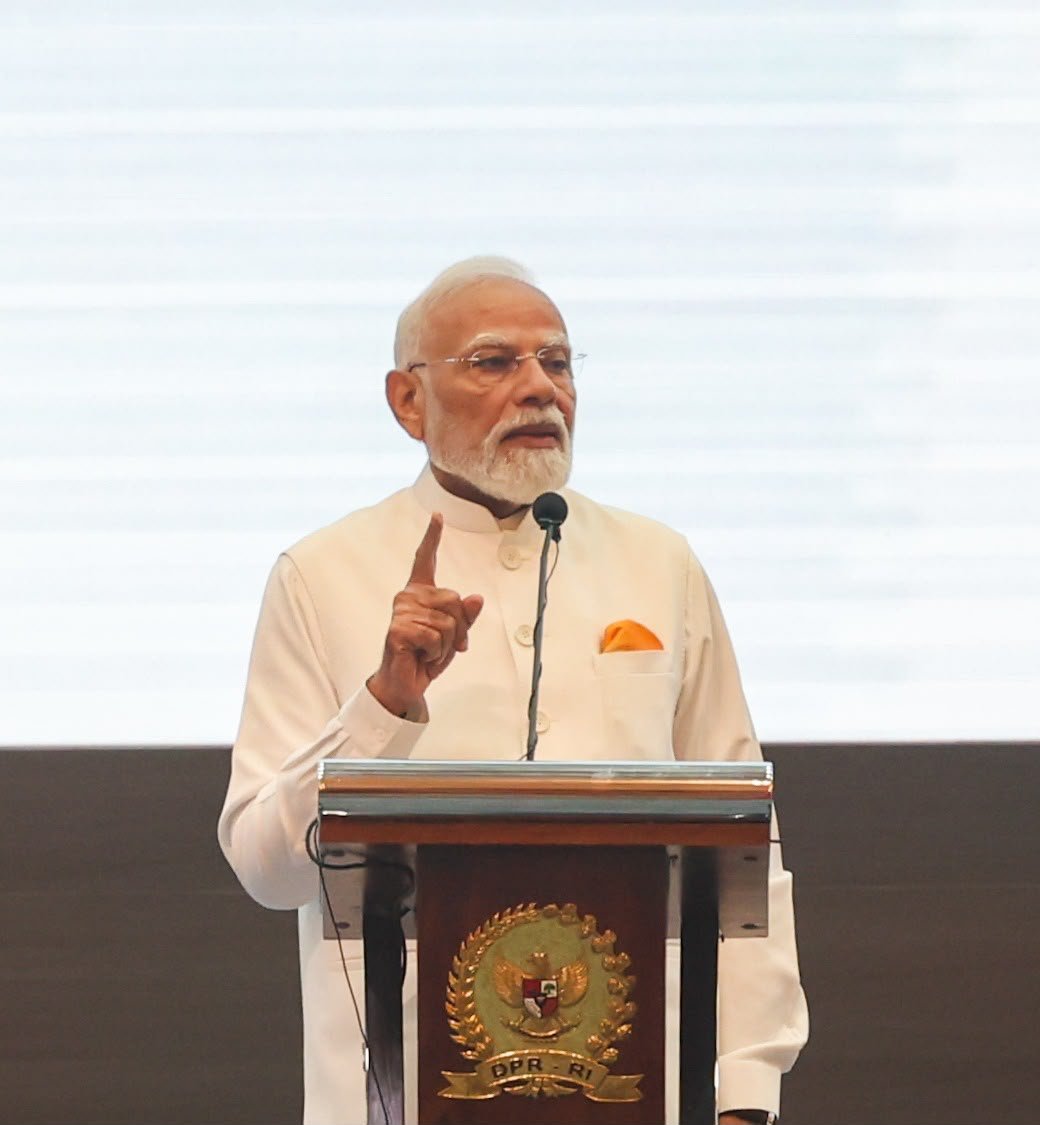
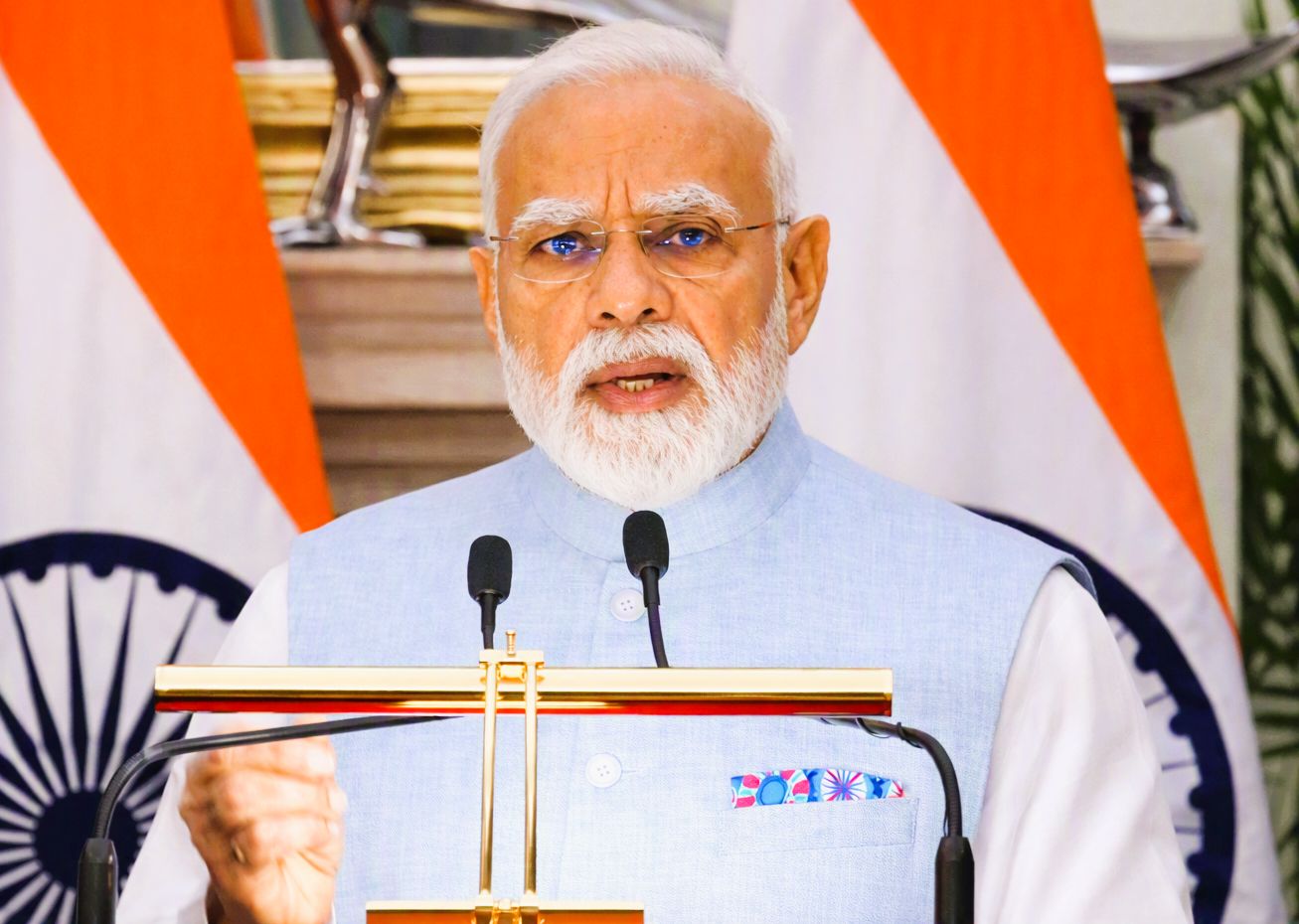
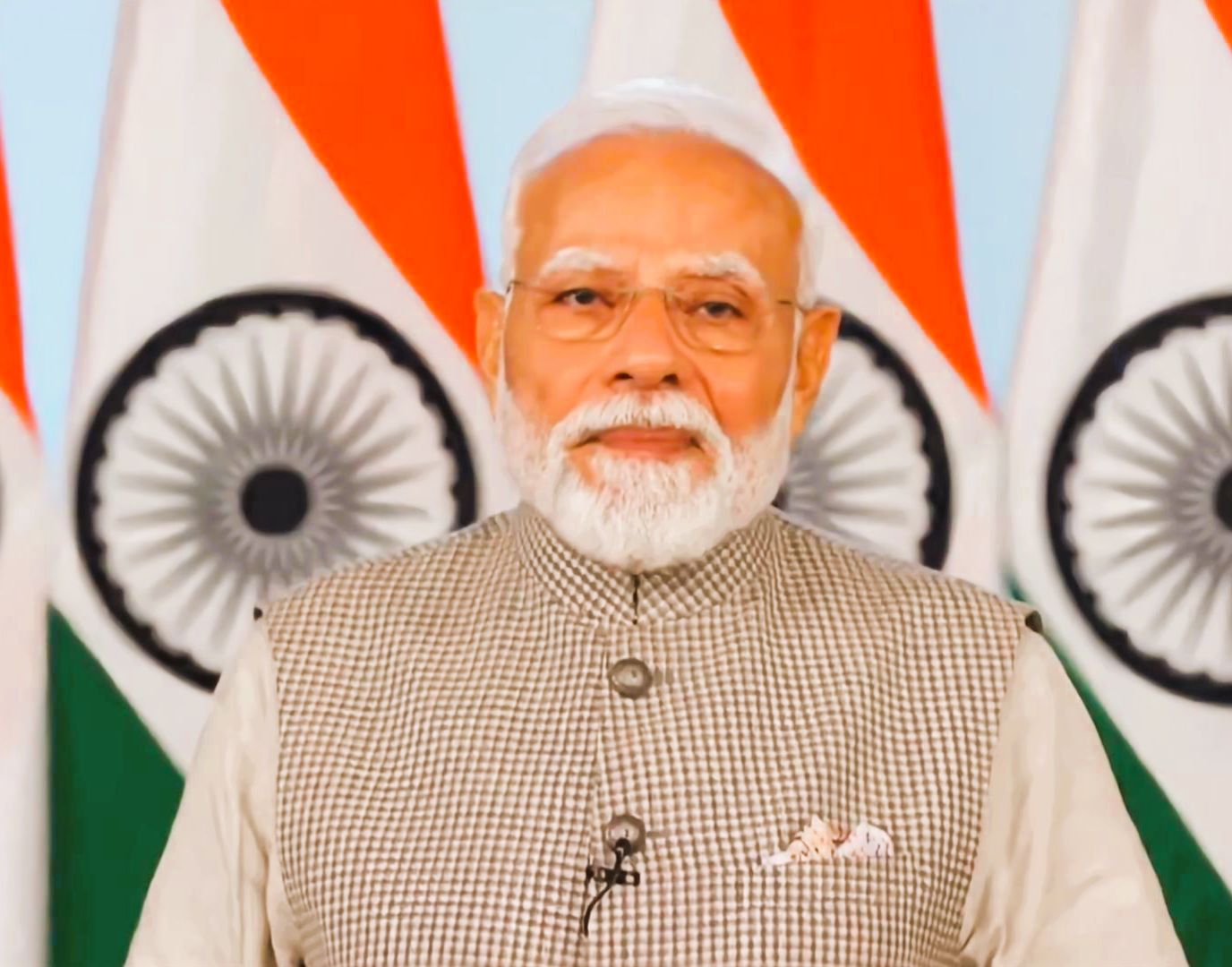
New Delhi, November 23: India will provide a development assistance package of ₹24,000 crore for the long -term development of flood-affected Nepal. Following talks between Prime Minister Narendra Modi and Nepal’s Prime Minister Balendra Shah on Thursday, the two leaders flagged off the Saryu-Kamala Express rail service, which will travel from Ayodhya to Janakpur (Nepal).
The two countries also released a joint vision document to provide a new direction for a shared future. Prime Minister Modi stated that this is a blueprint for fulfilling their respective commitments of a “developed India and a prosperous Nepal.”
Furthermore, the foundation stone was laid for the construction of a new Intraclosure Control (ICP) at Banbasa and progress in the construction of ICPs at Bhairahawa, Sunauli, and Dodhara Chandni. A new cross-border motorable bridge between Dharchula (India) and Darchula (Nepal) was inaugurated. The foundation stone of the Lower Arun Hydroelectric Project (669 MW) was laid. The second phase of the Motihari-Amlekhganj Pipeline (MAPL) was dedicated at the event.
The foundation stone of the petroleum terminal at Jhapa for the proposed Siliguri-Jhapa petroleum pipeline was laid. Eight agreements were also reached today between the two countries. These agreements cover crime investigation, police training, capacity building programs for civil servants, cooperation in the fields of Ayurveda and traditional medicine, establishment of a satellite communication (SATCOM) network for use with the South Asian Satellite, technical cooperation related to sustainable urban development, cooperation in the health and pharmaceutical sectors, and cooperation in the fields of livestock and fisheries development.
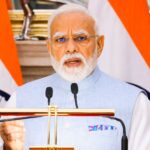
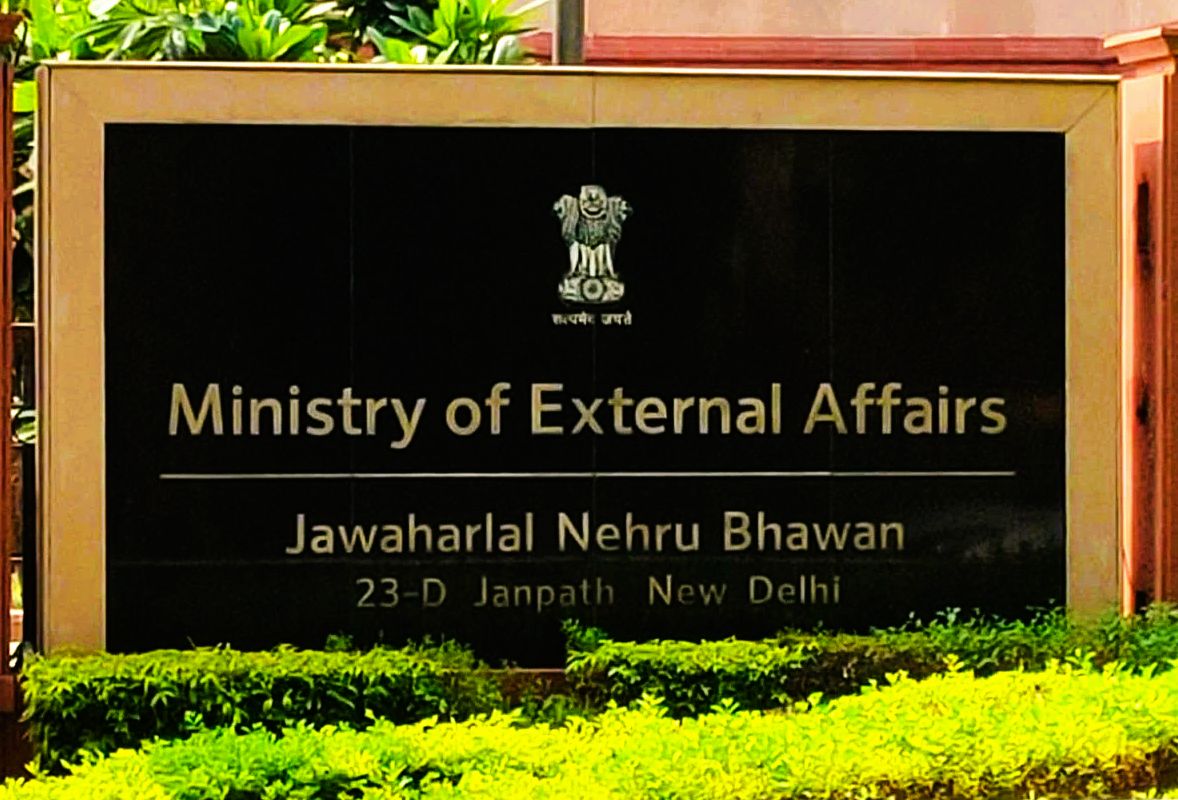
Prime Minister Modi and the Prime Minister of Nepal held talks at Hyderabad House in Delhi on Monday. Following the talks, the two leaders issued a joint press statement. In it, Prime Minister Modi praised the vision of Balendra Shah.
He said that India’s relationship with Nepal is not one of neighborhood, but of closeness and unwavering trust. We share joys and challenges, and we are partners in progress and a support system in difficult times.
Describing Lord Ram and Sita as symbols of the shared civilization of both countries, the Prime Minister reiterated that without Nepal, both our Dham and our Ram are incomplete. He said that the train service has added a new dimension to the sacred India-Nepal relationship. Both countries are also working to enhance connectivity between Buddhist and Shiva-Shakti pilgrimage sites. Nepal’s rivers hold immense potential for clean energy, and India’s large market can harness these potential for Nepal’s progress.
He said that we will establish start-up incubators, innovation hubs, and an offshore campus of the Indian Institute of Technology in Nepal. We will expand scholarship opportunities in law and technology in India for Nepali students. We will also cooperate in developing agro-industrial parks in Nepal to promote food processing and value-addition.
The Prime Minister said, “Today we have inaugurated the Dharchula road bridge and the integrated check post at Banbasa, between Uttarakhand and Nepal. Alongside this, we will also expedite the work on the Dodhara-Chandni Integrated Check Post on the Nepal side. These will promote trade and people-to-people movement between Uttarakhand and Nepal. We will also accelerate road, rail, and border connectivity projects between Bihar, Uttar Pradesh, and other Indian states and Nepal. We will provide access to the Skanda and Paradip ports to further facilitate Nepal’s transit trade. Trust me, all efforts to improve trade, connectivity, and investment will provide new impetus to Nepal’s economic development.
India has been a reliable supplier of essential goods and other essential commodities to Nepal for many years. In keeping with our Neighborhood First policy, this year’s oil supply has been a major news item; we have maintained supplies of fuel, fertilizer, and other essential commodities to Nepal. Today’s expansion of Phase II of the Motihari-Amlekhganj pipeline and the completion of the Jhapa Petroleum Terminal will further strengthen this partnership.”
Modi said that Nepal’s young generation is full of talent, energy, and big dreams. They want to be fully involved in realizing their dreams in India. To realize this commitment, we will establish start-up incubators, innovation hubs, and an offshore campus of the Indian Institute of Technology (IIT) in Nepal. Scholarship opportunities in law and technology have increased for Nepali students in India. We will also cooperate in developing agro-industrial parks in Nepal to promote food processing and value-addition. Friends, the story of the Ramayana is today reaching the new generation and the entire world through films and modern technology.
Modi added that We want young creators from India and Nepal to work together to bring our shared heritage to the world through new mediums. To this end, we will welcome a large delegation from Nepal at the next Waves Summit. In sports, especially cricket, we will also increase cooperation in infrastructure development and player training in Nepal.
Tags:

Related Post