





CM Yogi calls Saryu-Kamala Express a symbol of heritage and development

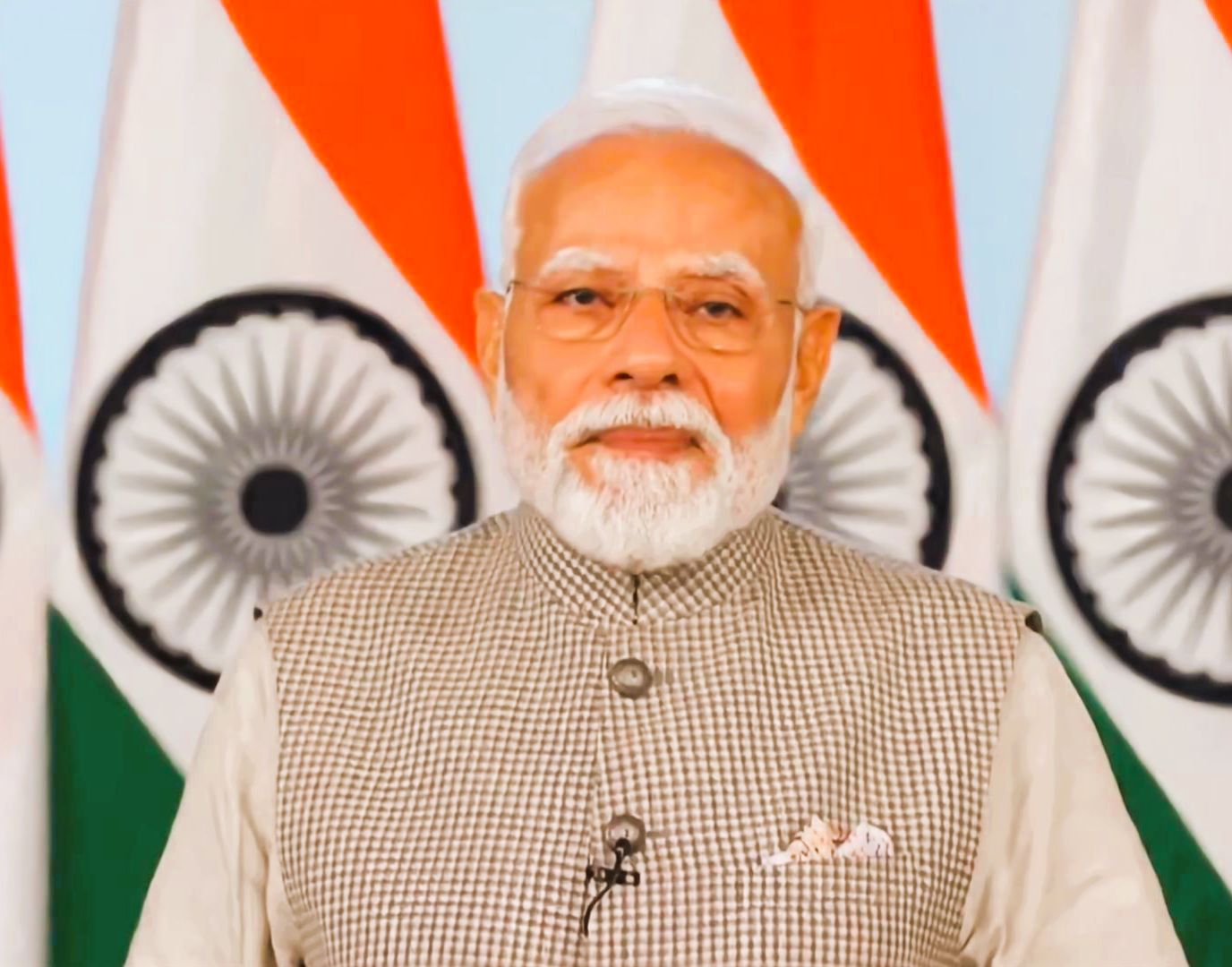
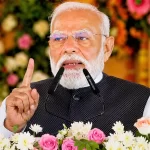
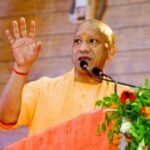
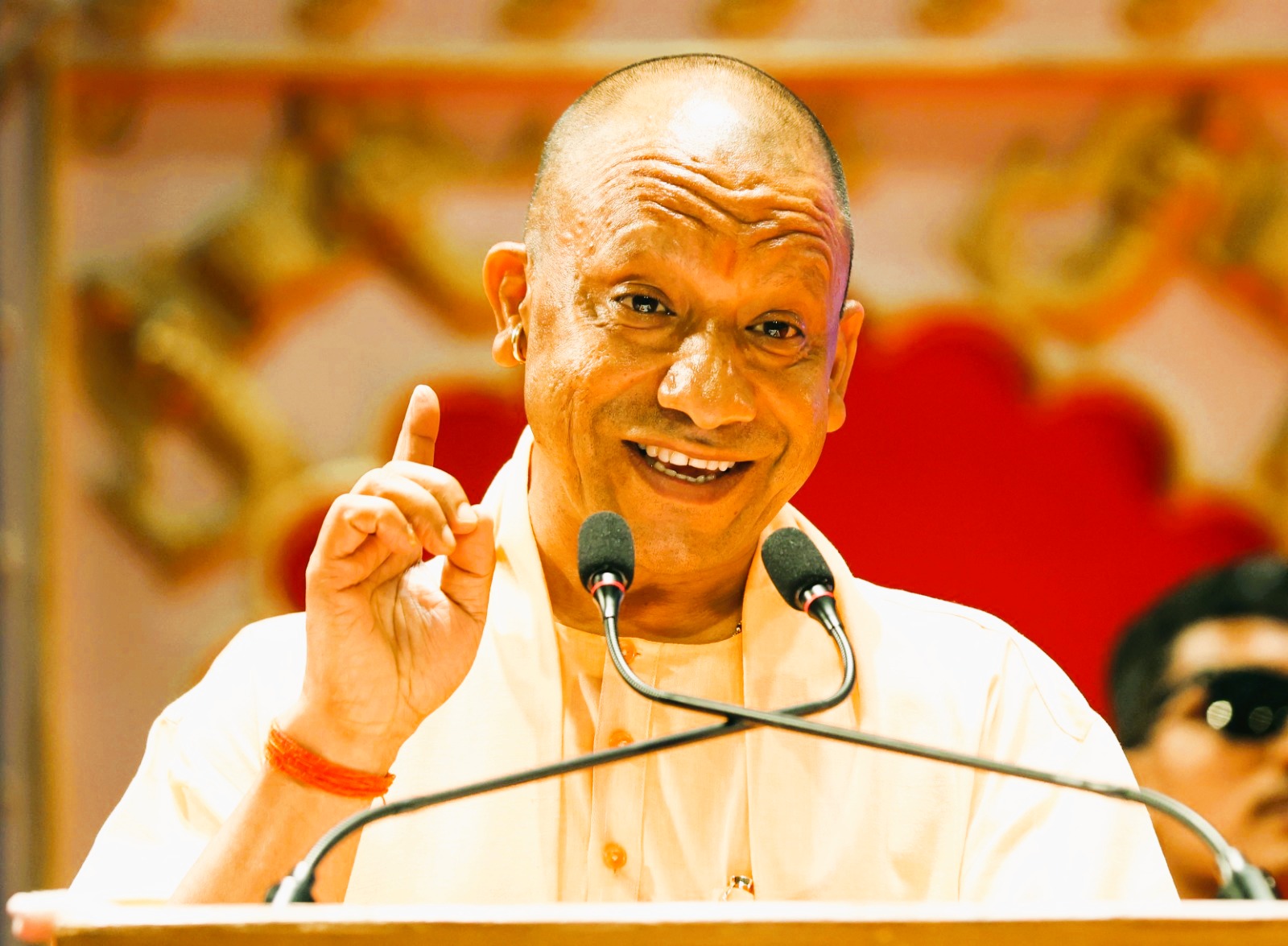
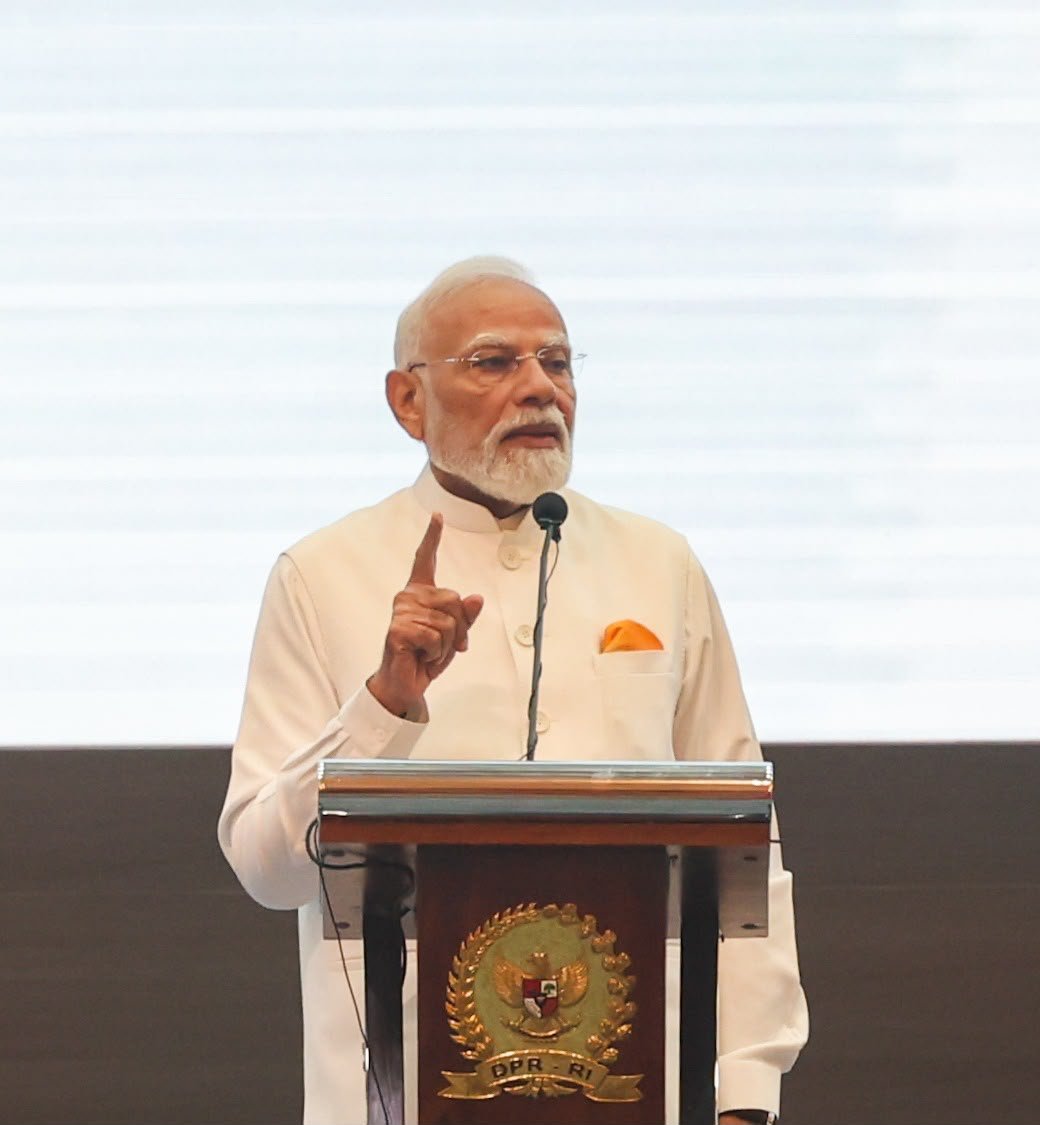
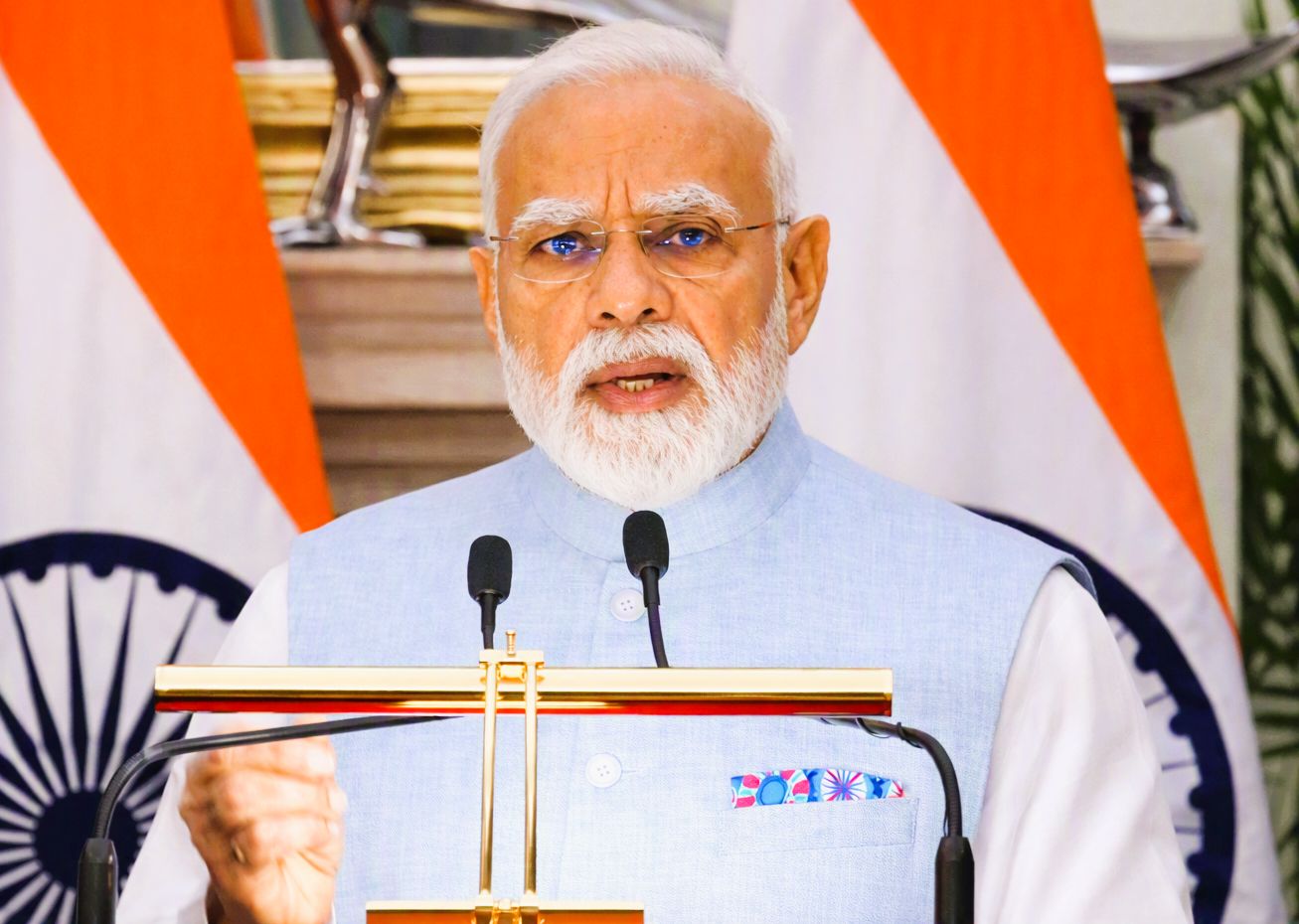
Ayodhya, November 23: At the launch ceremony of the Saryu-Kamala Express at Ayodhya Dham railway station on Monday, Yogi Adityanath described the new train service as a reflection of Narendra Modi‘s vision of “heritage and development,” while the Prime Minister, Nepal Prime Minister Balendra Shah, and Railway Minister Ashwini Vaishnaw joined virtually from Delhi to flag off the train connecting Ayodhya and Janakpur.
The centuries-old cultural, spiritual, and familial heritage of Ayodhya and Mithila is set to receive new strength through modern rail connectivity. The Saryu-Kamala Express, launched between Ayodhya Dham and Janakpur Dham, will elevate the historical ties between India and Nepal to new heights and facilitate the movement of pilgrims, traders, and common citizens of both countries. This rail service is not only a service connecting two religious cities, but also an important link connecting shared heritage, public faith, and economic potential.
Chief Minister Yogi said that this connection between Ayodhya, irrigated by the sacred stream of Mother Saryu, and Janakpur, the land of Mother Janaki, blessed by the waters of Mother Kamala, will give new impetus to the thousands of years old relationship between the two countries. He said that this historic initiative will enable Nepali devotees to visit Ram Lalla directly in Ayodhya, while Indian devotees will have the opportunity to visit Mother Janaki at Janakpur Dham. This will further strengthen the enduring friendship and mutual trust between the two countries.
He said that the relationship between India and Nepal is not merely a political or geographical one between two neighboring countries, but is built on thousands of years of shared faith, intimacy, culture, and family ties. This is called the “Roti-Beti ka Rishta” in the tradition of Ram-Janaki. The journey of Lord Shri Ram and Lakshman to Mithila with Maharishi Vishwamitra, and the subsequent arrival of Maharaja Dasharatha’s wedding procession from Ayodhya to Janakpur after their marriage, are still vivid in the cultural memories of both regions. This event is celebrated as a festival in various traditional ceremonies, including Vivah Panchami. The people of Ayodhya still consider Janakpur their in-laws’ place, and in the Mithila region, Lord Shri Ram is treated as a guest and has a special feeling of affinity and respect for him.
Yogi said that while Vivah Panchami is celebrated at the Ram-Janaki Vivah Mandap in Janakpur, auspicious songs resonate in Ayodhya as well. Last year, on the occasion of Vivah Panchami, the Dharma Dhwaja was hoisted on the top of the Shri Ram Janmabhoomi Temple.
Referring to the nearly 500-year-long struggle of the Shri Ram Janmabhoomi movement, he said that the sacrifice and support of the saints, youth, mothers, sisters, and ordinary devotees of Nepal during this journey will always be remembered. On the occasion of the Pran Pratishtha of Ram Lalla, hundreds of devotees from Janakpur Dham, the maternal home of Mother Janaki, lovingly arrived in Ayodhya with auspicious gifts.
Chief Minister Yogi, referring to the religious and spiritual ties between India and Nepal, said that there has been a spiritual connection between the Pashupatinath Temple in Nepal and the Baba Vishwanath Dham in Kashi for centuries. Devotees from Uttar Pradesh have been visiting Muktinath and Pashupatinath for generations. The tradition of offering Khichdi from Nepal to the Gorakhnath Temple on Makar Sankranti and the pilgrimage of devotees from Nepal to the Devipatan Shaktipeeth during Chaitra Navratri demonstrate this bond of faith between the two countries.
He said that the open border between India and Nepal is a unique example of mutual trust in the world. Thousands of people travel between the two countries every day for trade, employment, education, health, and family ties. India and Nepal stand with each other in every moment of happiness and sorrow. He said that the policies of the central and state governments are in line with the spirit of “Neighborhood First.”
He pointed out that seven districts of Uttar Pradesh: Pilibhit, Lakhimpur Kheri, Bahraich, Shravasti, Balrampur, Siddharthnagar, and Maharajganj share a nearly 600-kilometer-long border with Nepal.
Chief Minister Yogi recalled Prime Minister Modi’s flagging off of the Janakpur-Ayodhya bus service from the Mata Janaki Temple complex in Janakpur in 2018. He said that at that time, Ayodhya had the opportunity to welcome the first bus. Now, through rail connectivity, the relationship between the two holy places is expanding further. Giving details of the infrastructure development in the areas of Uttar Pradesh bordering Nepal, he said that the state’s first land port on the Nepal border is ready in Rupaidiha. A large portion of India’s exports to Nepal travel through this route. A plan is also underway to develop an industrial and logistics corridor around the Rupaidiha border.
He added that the construction of the Barabanki-Bahraich four-lane highway under the Lucknow-Rupaidiha corridor will reduce the travel time from Rupaidiha to Nepalganj by almost half.
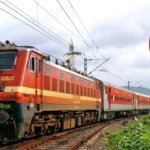
Departing from Ayodhya for Janakpur on Monday Evenings, the Saryu-Kamala Express (train number 15596) will depart from Ayodhya Cantt every Monday at 5:50 pm. It will reach Janakpur Dham on Tuesday at 12:40 pm Nepali time via Ayodhya Dham, Mankapur, Basti, Gorakhpur, Narkatiaganj, Raxaul, Sitamarhi, Shisho, Madhubani and Jaynagar. On return, train number 15595 will leave Janakpur Dham every Saturday at 1:10 pm Nepali time. It will reach Ayodhya Cantt on Sunday morning at 8:10 am via Jaynagar, Madhubani, Shisho, Sitamarhi, Raxaul, Narkatiaganj, Gorakhpur, Basti, Mankapur and Ayodhya Dham. It will operate with a modern LHB rake of 17 coaches.
The Saryu-Kamala Express will operate on a modern 17-coach LHB rake. It includes eight air-conditioned coaches, seven sleeper class coaches, one LSLRD, and one LWLRRM coach. Two AC second-class coaches will have 52 berths each, three AC third-class coaches will have 72 berths each, and three AC third-class economy coaches will have 80 berths each. Seven sleeper coaches will have 80 berths each, and the LSLRD coach will have 38 seats. The LWLRRM coach has been deployed for power generation.
Stoppages at 10 intermediate stations :
This train service has been designated for commercial stops at 10 intermediate stations, including Jaynagar, Madhubani, Shisho, Sitamarhi, Raxaul, Narkatiaganj, Gorakhpur, Basti, Mankapur, and Ayodhya Dham. This will provide direct rail access to passengers in these areas.
Tags:
Related Post