


PM Modi calls for global mechanism against cyber fraud and deepfakes

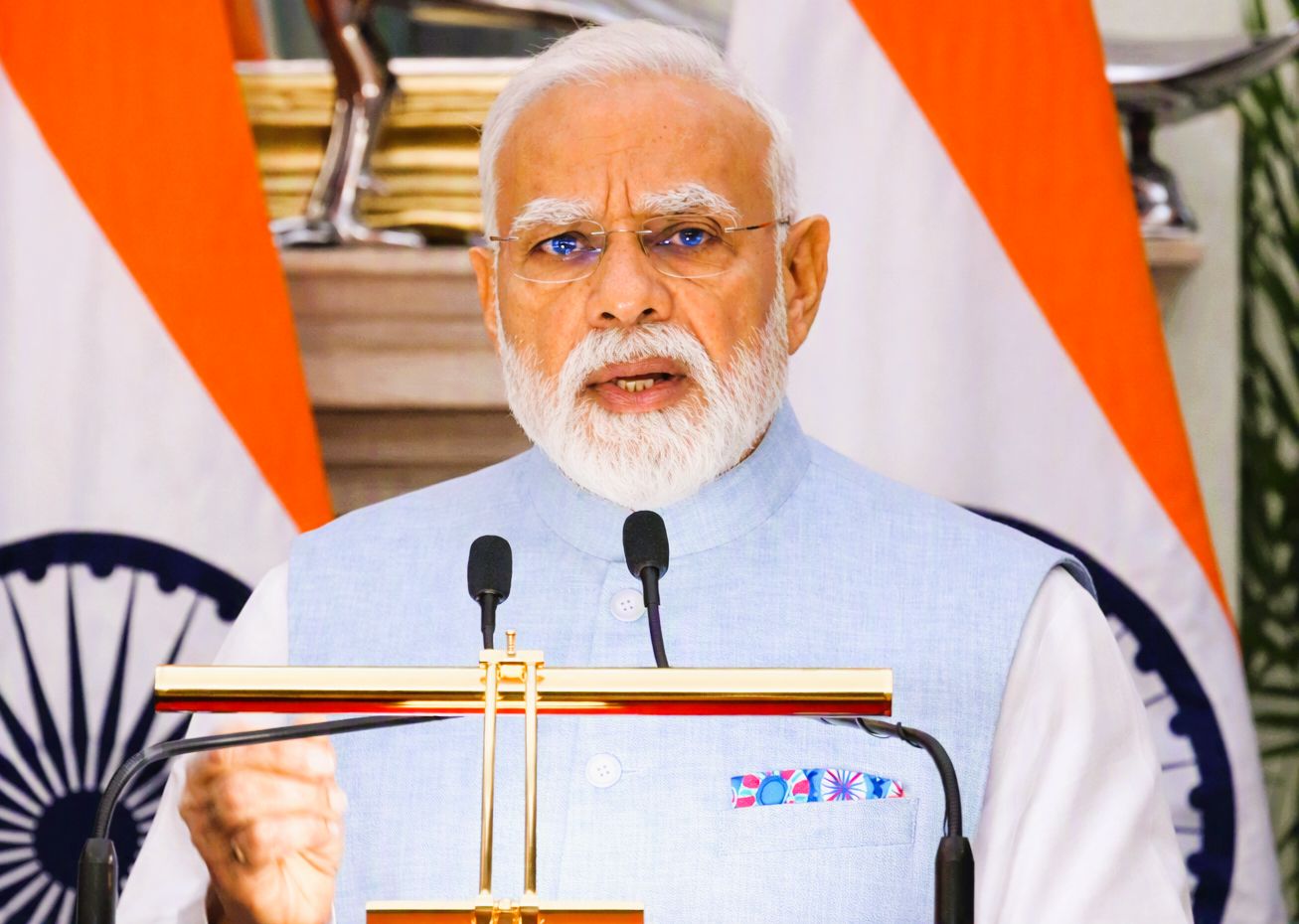
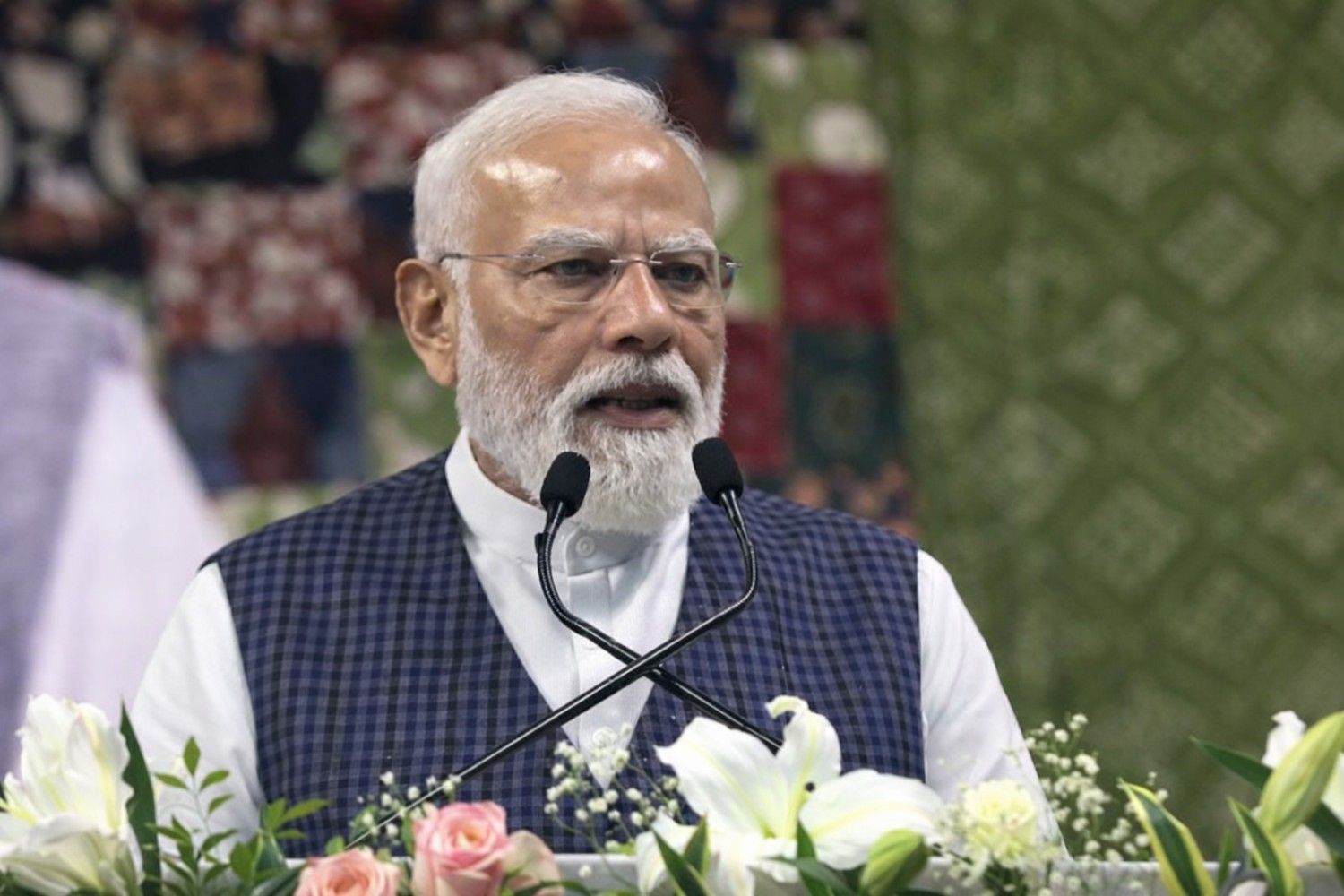
New Delhi, October 8: Prime Minister Narendra Modi called for a global mechanism to address the growing challenge of cyber fraud, deepfakes, and digital crime, saying that widespread use of technology is possible only when people trust it. He said that India is always ready to share its experiences and learnings with the world. Addressing the
10th India Mobile Congress on Thursday, the Prime Minister said that cyber crime knows no borders. A person sitting in one country can defraud a person sitting in another country, using the technology or network of a third country for this. He said that deepfakes have also become a major challenge, and to combat it, countries, technology companies, telecom companies, and financial institutions will have to work together.
Modi urged the GSMA, the global telecommunications industry body, and the world’s telecom operators to create a global mechanism that can prevent fraud before it reaches people. He said, “Let’s create a global mechanism that can prevent such fraud before it reaches people. India has learned a lot from its experience in this direction and is always ready to share its learnings with the world.”
The Prime Minister said, “Technology achieves scale only when it earns trust.” He said that the average citizen doesn’t care about technical protocols or network complexities, but rather wants to know who the caller is, whether the message is genuine or fraudulent, whether their payment is secure, and whether their data is safe. Therefore, security and trust must be the top priority in the telecommunications and digital sector.
Modi said that 5G services were launched in India in 2022 from this platform. Since then, 5G services have reached every district in the country, and more than five lakh mobile base stations have been installed. He stated that mobile internet speeds in India have increased nearly 10-fold compared to 2022. This transformation is not limited to the telecommunications sector, but has also significantly transformed digital services and governance practices.
He noted that a decade ago, access to modern technology was becoming a privilege, and the digital divide was a major challenge. Under the Digital India campaign, the government focused on making technology accessible to as many people as possible, placing mobile phones at the center of this effort. This initiative was supported through policy reforms, telecommunications infrastructure, and the promotion of manufacturing of mobile and telecommunications equipment in the country.
Referring to the COVID-19 pandemic, the Prime Minister said that during that period, offices, banks, education, health services, and government facilities largely operated digitally. He said that by July 2022, more than 5 billion learning sessions and nearly 6 billion learning minutes were recorded through the Diksha platform. The government’s goal was to connect nearly 250 million students with digital and online education.
Modi said that today hundreds of government services are available on mobile phones, and large sums of money are being transferred directly to beneficiaries’ bank accounts through Direct Benefit Transfer. He said that nearly 50 lakh crore rupees have been transferred directly to beneficiaries’ accounts, and nearly 5 lakh crore rupees have been prevented from falling into the wrong hands or leaking.
In this context, the Prime Minister said, “Now tell me, will those who have lost their free income love Modi?” He said that he has resolved to stop these wrong practices. Modi said that if the old system had continued, a large amount of government money would have been leaked and filled the pockets of the wrong people, but now that money is reaching the right beneficiaries and the remaining funds are being invested in the right work.
The Prime Minister also mentioned the Pradhan Mantri Kisan Samman Nidhi, saying that funds are transferred to farmers’ accounts every four months and they receive notifications on their mobile phones. He said that this is enabling even small farmers, who were previously excluded for various reasons, to benefit from government schemes.
Modi said that mobile and digital services have provided greater convenience to citizens, reducing travel, waiting, and expenses. He described this as the biggest citizen benefit of technology. He said that cheap data and improved connectivity have created new opportunities for entertainment, education, and content creation.
He said that more than 500 million people have become part of the gaming ecosystem. Youth from small cities and towns are venturing into e-sports, content creation, and new digital businesses. Mobile is no longer just a means of communication, but is also serving as a gaming console and a studio for creative work.
The Prime Minister said that fast internet and cheap data have brought video sharing platforms, social media, and regional OTT services to villages and small towns. This has reduced language barriers and led to the rapid growth of the content creation industry. He said that this sector has generated economic activity worth thousands of crores of rupees and created new earning opportunities for millions of people.
Modi said that India no longer wants to be just a consumer of technology but a creator of products, technology, and intellectual property. He said that the government is implementing incentives and policy reforms to strengthen India’s role in product design, technology, and intellectual property.
Referring to the reforms undertaken in the telecommunications sector, he said that the Telecom Act has provided a modern regulatory framework. Adjusted gross revenue and bank guarantee mechanisms have been rationalized. He added that right-of-way approvals have been expedited through the Gati Shakti Communications portal.
The Prime Minister said that the semiconductor ecosystem in India is also progressing rapidly, and commercial production has commenced at five locations. The next phase now focuses on developing the entire supply chain.
Modi said that the completion of 10 years of the India Mobile Congress is also an important occasion. He said that the platform has promoted discussions on many important topics, from 5G to global digital standards, to investment, innovation, and manufacturing in India. This year’s theme is “Scale Without Boundaries,” and India has showcased its experience in adopting technology on a large scale to the world.
The Prime Minister said that the discussions at the India Mobile Congress will play a crucial role in shaping the direction of the next decade. He said, “We have to make IMC a platform that can become a junction of technology, research, industry, investment, and ideas.” He expressed hope that the partnerships, research projects and new products emanating from this platform will reach the world and accelerate technological innovation for the benefit of humanity.
Modi saluted and congratulated the Indian Air Force personnel on the occasion of Air Force Day. He also paid tribute to actor Nana Patekar and mentioned his contribution in attacking social evils and systemic shortcomings through his art.
Tags:

Related Post