










IIT Jodhpur innovation paves way for tailored Cancer therapy decisions

Jodhpur, June 16: In a significant breakthrough towards personalized cancer treatment, researchers at the Indian Institute of Technology (IIT) Jodhpur have made significant progress in developing a new generation of predictive biomarkers. Doctors will now be able to predict which cancer patients may develop resistance to chemotherapy or other anti-cancer treatments. This research will help physicians choose the right medication for the right patient even before treatment begins.
Cancer kills over 5.9 lakh people in India every year. Despite modern treatment methods, a large number of patients develop resistance to treatment, reducing its effectiveness. To address this challenge, scientists at the IIT Jodhpur are conducting cutting-edge research in the fields of cancer biology, precision medicine, and translational therapeutics.
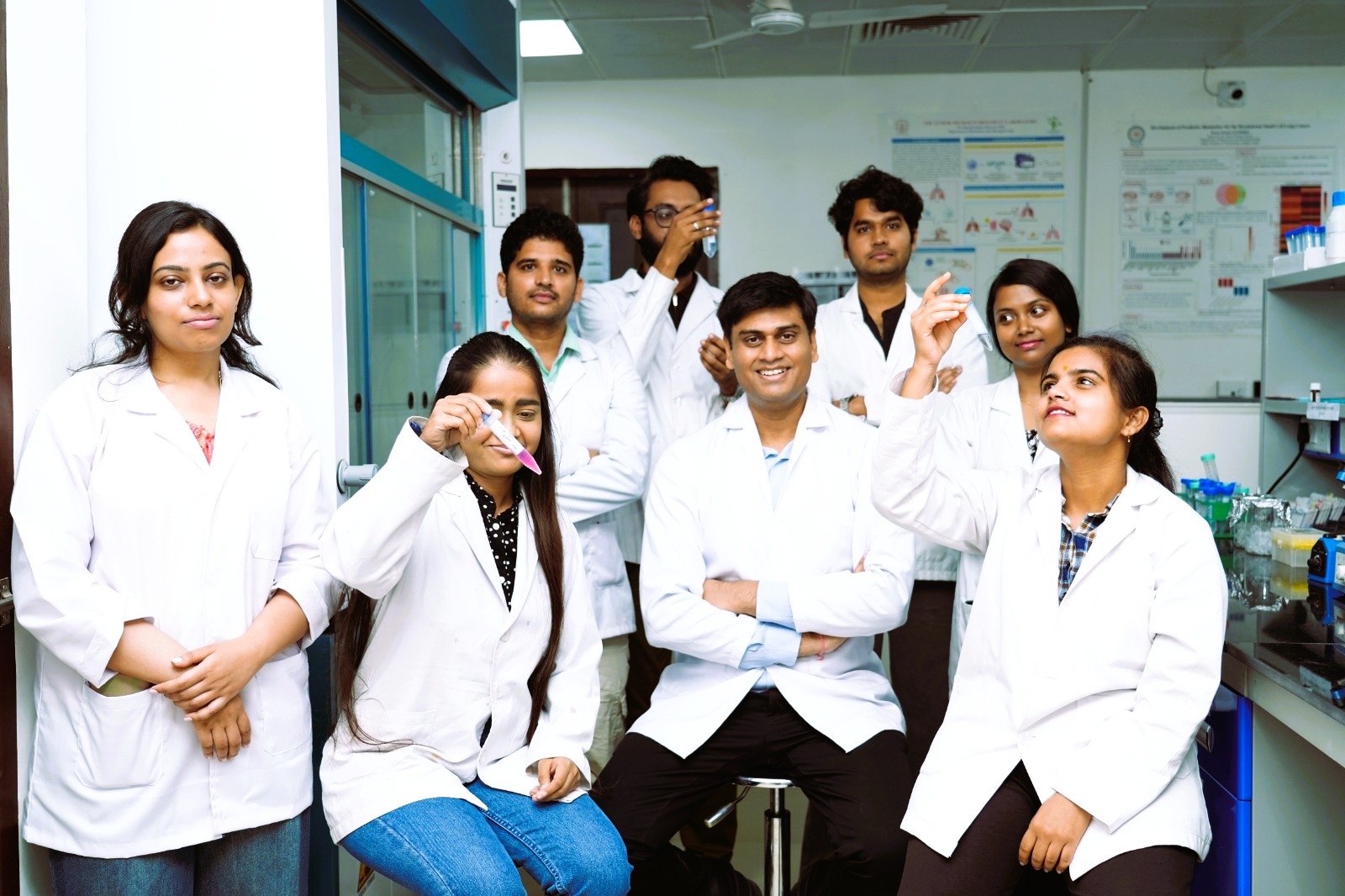
This research is being led by Dr Dinesh Kumar Ahirwar, Associate Professor and Head of the Tumor Microenvironment Laboratory, Department of Biosciences and Bioengineering, IIT Jodhpur. He explained that the aim of the research is to understand why some patients respond well to treatment while others do not. Identifying the molecular and cellular mechanisms behind treatment resistance will help physicians make better treatment decisions.
The research team is using single-cell sequencing, multicolor high-parameter flow cytometry, modern molecular biology techniques, and computational analysis to study cancer cells. These techniques are enabling in-depth study of individual cancer cells within a tumor, helping to understand the causes of drug resistance.
Scientists have also identified specific molecular pathways active in treatment-resistant tumors. Based on this, they are exploring the possibility of using already approved drugs in combination with chemotherapy. This drug repurposing strategy can increase treatment success while reducing the time and cost of developing new drugs.
Researchers are also using advanced preclinical cancer models, humanized mouse models, and patient-specific lung-on-chip systems. These techniques allow for more accurate assessment of treatment effects in the human body. Furthermore, this research could also prove useful in studying occupational diseases such as silicosis.
Dr Ahirwar stated that the ultimate goal of this research is to develop biomarkers that can indicate whether a patient will develop resistance to chemotherapy before treatment begins. This could save patients from unnecessary treatments, increase treatment success, and reduce physical, mental, and financial burden.
Tags:

Related Post